

Basic Information
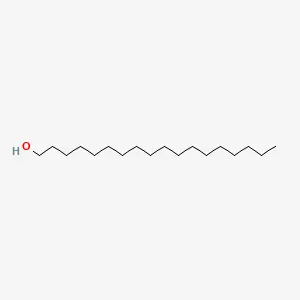
Stearyl Alcohol Structure
IUPAC Name | Octadecan-1-ol |
CAS Number | 112-92-5 |
HS Code | 2905.17 |
Molecular Formula | C18H38O |
Structural Formula | CH3(CH2)16CH2OH |
Synonyms | 1-Octadecanol, n-Octadecanol, n-Stearyl alcohol, C18 fatty alcohol, Octadecyl alcohol |
Molecular Weight | 270.50 g/mol |
Description
Stearyl alcohol (1-octadecanol) is an 18-carbon saturated fatty alcohol with a high melting point and waxy solid consistency at room temperature. It is produced by the hydrogenation of stearic acid and is one of the most widely used fatty alcohols in cosmetics and pharmaceuticals.
In personal care formulations, stearyl alcohol serves as an emollient, emulsifier, and viscosity-builder. It helps stabilize o/w emulsions, imparts a smooth, rich texture, and conditions skin and hair. It is commonly found in creams, lotions, hair conditioners, and ointments.
In pharmaceuticals, stearyl alcohol is used in topical bases, sustained-release tablet matrices, and suppository formulations. Industrially, it is used in the production of detergents, lubricants, and specialty surfactants.
Chemical and Physical Properties
Physical Description | White waxy solid, flakes, or pellets. |
Color / Form | White. |
Odor | Faint, characteristic fatty odor. |
Taste | Bland, slightly waxy. |
Boiling Point | Approx. 335–338 °C |
Melting Point | 58–60 °C |
Flash Point | ~199 °C |
Solubility | Insoluble in water; soluble in hot ethanol, ether, and most oils. |
Density | Approx. 0.812 g/cm³ (liquid) |
Vapor Density | Greater than air. |
Vapor Pressure | Negligible at ambient temperature. |
Stability / Shelf Life | Stable under normal conditions. Excellent oxidative stability. |
Viscosity | Low viscosity when melted (above 60 °C). |
Heat of Combustion | Approx. −11,375 kJ/mol. |
Polymerization | No hazardous polymerization. |
Ionization Potential | No data available. |
Uses and Manufacturing
Uses
Stearyl alcohol is one of the most important long-chain fatty alcohols in cosmetics and pharmaceuticals, valued for its ability to produce rich, stable emulsions with excellent skin feel and lubrication properties.
In cosmetics and personal care, stearyl alcohol is used as an emollient, co-emulsifier, and viscosity modifier in facial creams, body lotions, hand creams, eye creams, and premium moisturizers. When combined with emulsifying waxes (ceteareth-20, PEG-100 stearate), stearyl alcohol forms lamellar liquid crystalline structures at the oil-water interface that create highly stable, rich-textured emulsions. In hair conditioners and hair treatments, stearyl alcohol (often as part of the BTAC complex: behentrimonium chloride, cetearyl alcohol, cetyl alcohol combination) deposits on damaged hair to restore smoothness, shine, and manageability.
Pharmaceutical applications include: (1) topical excipient in creams and ointments (USP, Ph.Eur., BP listed excipient); (2) lipid matrix former in sustained-release tablet formulations, providing controlled drug release by slowing tablet disintegration; (3) component of suppository bases and rectal formulations; (4) lubricant and processing aid in tablet manufacturing.
In the surfactant industry, stearyl alcohol is ethoxylated to produce steareth-n non-ionic surfactants (e.g., steareth-2, steareth-20, steareth-21), which are widely used as emulsifiers, solubilizers, and co-emulsifiers in cosmetics, pharmaceuticals, and industrial applications. Stearyl alcohol can also be sulfated to produce sodium stearyl sulfate, an anionic surfactant for specialty cleansing applications.
Industrial uses include: component of specialty wax blends, polish and coating formulations, textile fiber lubricants and softeners, paper surface sizing agents, and lubricant base materials for precision instruments.
Methods of Manufacturing
Stearyl alcohol is produced by catalytic hydrogenation of stearic acid (octadecanoic acid) or methyl stearate under high-pressure hydrogen in the presence of copper chromite or copper-zinc oxide catalyst at 200–280 °C and 200–300 bar hydrogen pressure.
The raw material stearic acid is typically derived from tallow or palm stearin. For palm-based stearyl alcohol, palm stearin-derived stearic acid (usually a palmitic/stearic acid blend) is hydrogenated to produce a cetyl/stearyl alcohol mixture, which can be further fractionated to obtain higher-purity stearyl alcohol.
High-purity stearyl alcohol (>97% C18 content) is obtained by vacuum fractional distillation of the crude fatty alcohol product. Stearyl alcohol is often deliberately blended with cetyl alcohol to produce cetearyl alcohol (with typical C16:C18 ratios of 30:70) for cosmetic applications. Quality is determined by GC composition, melting point, hydroxyl value, acid value, iodine value, color (APHA), and moisture.
Hazard Identification
Hazard Summary
Low acute toxicity. Generally regarded as safe for cosmetic use. May cause mild skin and eye irritation on prolonged contact.
Fire Hazard
Combustible solid.
Skin, Eye & Respiratory Irritations
Mild skin and eye irritant on direct prolonged contact.
Safety and First Aid
Physical Dangers
Combustible solid.
Skin First Aid
Wash with soap and water.
Eye First Aid
Rinse with water for 15 minutes.
Ingestion First Aid
Not considered significantly toxic. Seek medical advice.
Fire Fighting Procedures
Use CO₂, foam, or dry chemical.
Handling and Storage
Nonfire Spill Response
Small spill: Sweep or vacuum up solid. For molten spill, allow to solidify then collect mechanically. Warn of slip hazard from solidified material. Collect in labeled waste containers.
Large spill: Contain with bunds. Allow to cool and solidify. Collect mechanically. Prevent entry into drains. Dispose in accordance with local environmental regulations.
Safe Storage
Store in original, tightly closed containers in a cool, dry, well-ventilated area. Keep away from heat, strong oxidizing agents, and ignition sources. For bulk melt storage, maintain at 65–75 °C in heated stainless steel or HDPE tanks. Nitrogen blanket recommended for bulk storage to prevent oxidation. Protect from moisture and extreme temperature.
Storage Conditions
Recommended storage temperature: 15–30 °C (solid); 65–75 °C (melt). Shelf life: 24 months in original sealed containers. Suitable containers: HDPE drums/bags, stainless steel 304/316 tanks (for melt). Nitrogen blanket for bulk melt storage. Protect from moisture, light, and heat. Store away from food products and strong chemicals.