
Introduction: A Classic Co‑Product Story
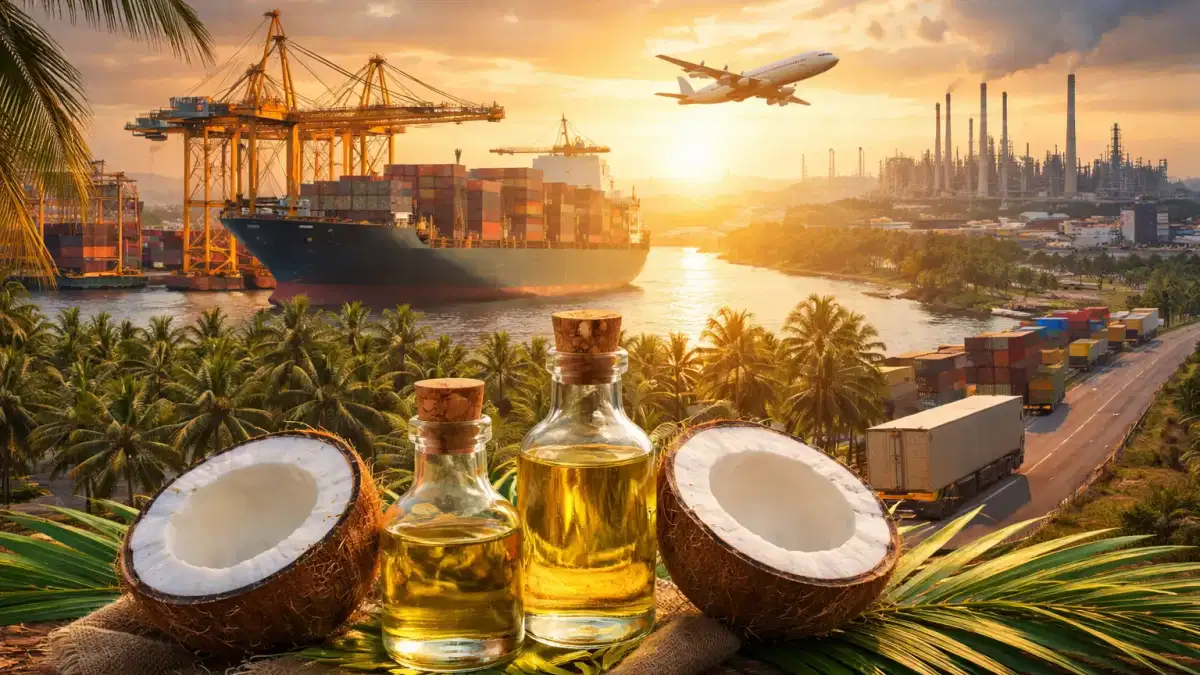
Glycerin, also known as glycerol, has long been considered a secondary product of the fats and oils industry. For every tonne of biodiesel or traditional soap produced, roughly 10% of the feedstock emerges as crude glycerin. Historically, this by‑product was sold at a discount, used mainly as a low‑cost humectant or in animal feed. However, the rapid expansion of palm‑oil biodiesel in Southeast Asia—particularly under Indonesia’s B35 and B40 mandates—has turned glycerin into a commodity with multiple high‑value tiers.
Why Indonesia and Malaysia Matter
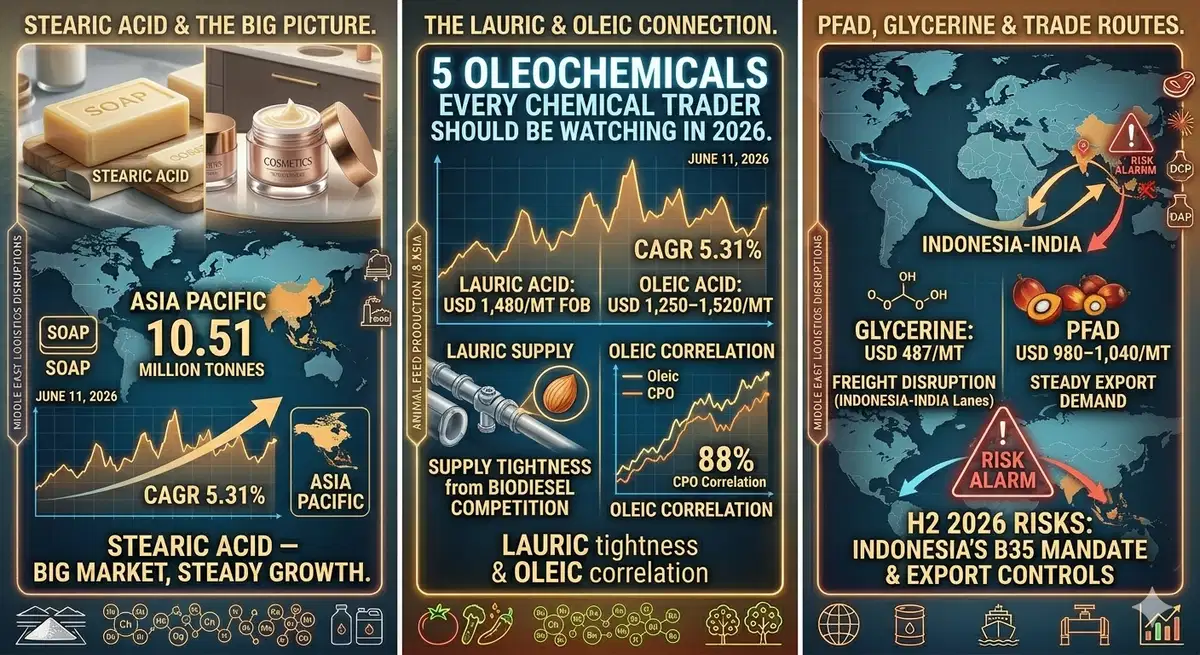
The biodiesel mandates in Indonesia (B35, now moving toward B40) require that 35‑40% of diesel fuel be derived from renewable sources, primarily palm‑oil methyl ester. Malaysia follows a similar trajectory with its own renewable fuel standards. Because each tonne of biodiesel generates about 100 kg of crude glycerin, the policies directly dictate global glycerin supply. When the mandates are strict, production surges, crude glycerin floods the market, and refiners scramble to upgrade the product for higher margins.
Supply Chain Tiers: From Crude to High‑Purity Grades
The glycerin market is clearly tiered:
- Crude glycerin (80‑88% purity) – Used for technical applications such as antifreeze, industrial solvents, and as a feedstock for further chemical synthesis.
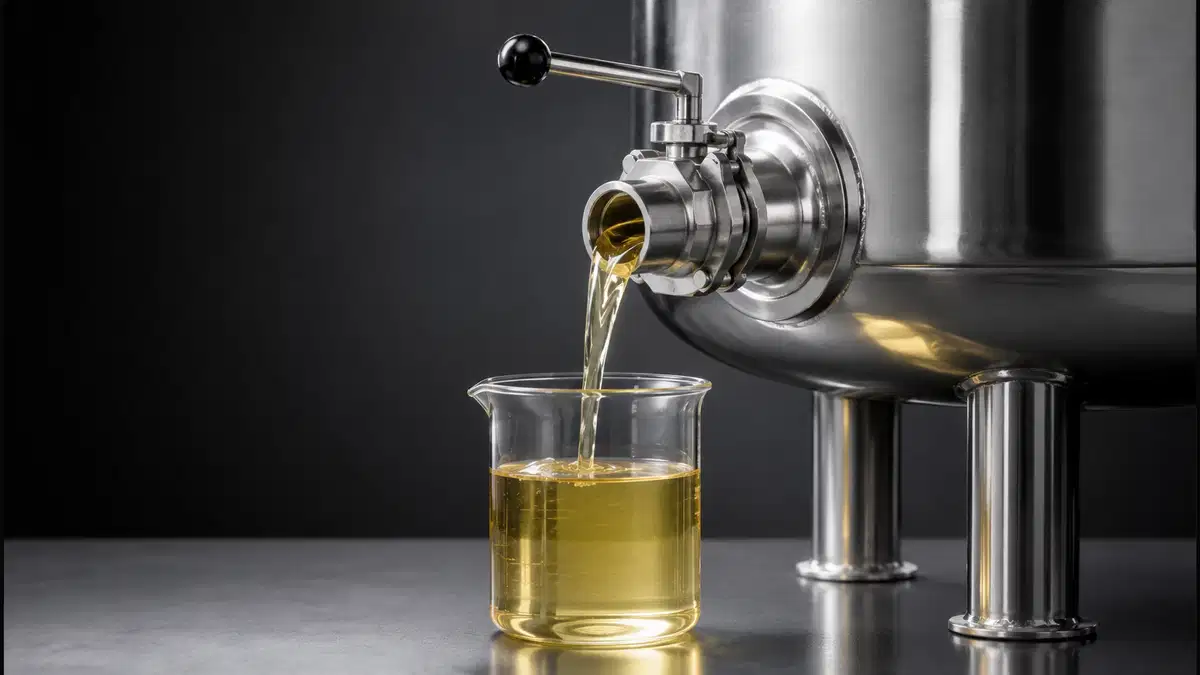
- Refined glycerin (99.5% USP/EP) – Meets pharmacopeial standards for food, toothpaste, vaping liquids, and certain pharmaceutical formulations.
- Ultra‑refined grades (99.7% kosher/vegetable) – Certified for personal‑care products, cosmetics, and niche pharmaceutical uses where strict dietary or religious compliance is required.
Each step up the ladder adds processing cost but also captures a premium price, especially when refined capacity is limited.
Market Dynamics: When Biodiesel Drives Prices
Two opposing forces shape glycerin pricing:
- Supply shock from biodiesel production – A robust biodiesel run (driven by high palm‑oil output or strong mandates) creates a surplus of crude glycerin. In such periods, crude prices drop, prompting refiners to increase capacity for USP/EP and kosher grades to maintain margins.
- Policy or feedstock constraints – If palm‑oil prices spike, or if Indonesia temporarily relaxes the B35/B40 requirement, biodiesel output falls. The immediate effect is a sharp tightening of refined glycerin supplies, pushing USP/EP and kosher grades to premium levels.
Because the refined grades are a small fraction of total output—often less than 15%—their price reaction is disproportionate to the change in crude volume.
Key Indicators for Buyers
To navigate this volatile market, buyers should monitor a handful of leading indicators:
- Indonesia’s B35/B40 policy updates – Official announcements, parliamentary debates, and Ministry of Energy circulars provide the earliest signal of demand shifts.
- Palm‑oil price trends – A rapid rise in CPO (crude palm oil) prices often leads producers to curtail biodiesel runs, tightening refined glycerin supply.
- Refinery capacity utilization – Data from major glycerin refiners in Singapore, Malaysia, and China reveal when they are operating at full capacity or expanding.
- Export‑import flow statistics – Customs data for crude and refined glycerin shipments help gauge regional imbalances.
Strategic Buying Approaches
Given the market’s cyclical nature, companies can adopt several strategies:
- Contractual flexibility – Include clauses that allow volume adjustments based on B35/B40 policy changes.
- Blend sourcing – Combine crude glycerin for low‑value applications with a smaller, secured allocation of USP/EP grade for critical uses.
- Vertical integration – Invest in in‑house refining capability to capture the margin between crude and high‑purity grades.
- Geographic diversification – Source from regions less tied to palm‑oil biodiesel, such as Europe’s rapeseed or US soy‑based biodiesel, to buffer against Southeast Asian policy swings.
Future Outlook: Toward a More Sustainable Glycerin Economy
Long‑term trends suggest two converging forces:
- Increasing demand for bio‑based chemicals – As the chemical industry seeks greener feedstocks, glycerin’s role as a platform molecule for propylene glycol, epichlorohydrin, and other value‑added products will expand.
- Stringent quality requirements – The rise of personal‑care and pharmaceutical applications, especially in emerging markets, will keep pressure on refining capacity and drive investment in ultra‑pure, certified grades.
Companies that can anticipate policy shifts, secure diversified supply lines, and invest in refining technology will be best positioned to profit from glycerin’s evolution from a low‑margin soap by‑product to a strategic, high‑value commodity.
Conclusion
The glycerin market exemplifies how a seemingly modest by‑product can become a strategic asset when linked to large‑scale renewable fuel mandates. By tracking Indonesia’s B35/B40 policies, palm‑oil price movements, and refinery utilization rates, buyers can better manage risk and capture value across the product’s tiered spectrum. As sustainability mandates tighten and demand for high‑purity glycerin grows, the market will continue to reward those who blend foresight with flexible sourcing strategies.