
 The largest importer of vegetable oils in the world, India, canceled a duty-free import quota of 2 million tonnes of crude sunflower oil and soybean oil for the current fiscal year, which began on April 1.
However, the action delayed cargoes that were loaded before the government deadline of March 31—90,000 tonnes at Indian ports and 180,000 tonnes in route, according to dealers.
According to Sandeep Bajoria, CEO of Sunvin Group, a brokerage and consultancy firm for vegetable oils, after this explanation, a few shipments that had been delayed at ports for a few weeks would finally enter the country.
Following the misunderstanding over import regulations that caused hundreds of thousands of cargoes to become delayed at ports, early in May, India made it clear that imports of soy oil and sunflower oil that were delivered before March 31 will be allowed duty-free till the end of June.
However, the imports would lower local oilseed prices and reduce farmer income, according to B.V. Mehta, executive director of the Solvent Extractors' Association of India. The government notification would be a relief for importers.
Since the clarification would make more soy oil and sunflower oil available, India's imports of palm oil in May may decline, according to a New Delhi-based dealer with a multinational trade house.
Its imports of palm oil dropped 30% from the previous month to a 14-month low in April as price-conscious consumers switched to sunflower oil and soy oil due to palm oil's premium over competing soft oils, five dealers told Reuters last week.
While the global market for soybean oil is anticipated to reach $69.7 billion by 2030, expanding at a CAGR of 4.4% from 2023 to 2030. Soybean oil is the most common vegetable oil traded on international markets, right after palm oil. Geographically speaking, the Asia-Pacific Soybean Oil Market held a 32% share of the worldwide soybean oil market's revenue in 2022. This is a result of the rising demand for soybean oil in developing nations like India and China for domestic consumption as well as in the food service sector.
References:
Jadhav, Rajendra. 2023. Reuters: India to allow duty free imports of sunoil, soyoil until June. Retrieved from https://www.reuters.com/markets/commodities/india-allow-duty-free-imports-sunoil-soyoil-until-june-2023-05-11/
Industry Arc. 2023. Soybean Oil Market - Forecast(2023 - 2028). Retrieved from https://www.industryarc.com/Report/16642/soybean-oil-market.html
Image by jcomp via https://www.freepik.com/
Soybean Oil Imports Would be Permitted Duty-Free Into India Until June
 The largest importer of vegetable oils in the world, India, canceled a duty-free import quota of 2 million tonnes of crude sunflower oil and soybean oil for the current fiscal year, which began on April 1.
However, the action delayed cargoes that were loaded before the government deadline of March 31—90,000 tonnes at Indian ports and 180,000 tonnes in route, according to dealers.
According to Sandeep Bajoria, CEO of Sunvin Group, a brokerage and consultancy firm for vegetable oils, after this explanation, a few shipments that had been delayed at ports for a few weeks would finally enter the country.
Following the misunderstanding over import regulations that caused hundreds of thousands of cargoes to become delayed at ports, early in May, India made it clear that imports of soy oil and sunflower oil that were delivered before March 31 will be allowed duty-free till the end of June.
However, the imports would lower local oilseed prices and reduce farmer income, according to B.V. Mehta, executive director of the Solvent Extractors' Association of India. The government notification would be a relief for importers.
Since the clarification would make more soy oil and sunflower oil available, India's imports of palm oil in May may decline, according to a New Delhi-based dealer with a multinational trade house.
Its imports of palm oil dropped 30% from the previous month to a 14-month low in April as price-conscious consumers switched to sunflower oil and soy oil due to palm oil's premium over competing soft oils, five dealers told Reuters last week.
While the global market for soybean oil is anticipated to reach $69.7 billion by 2030, expanding at a CAGR of 4.4% from 2023 to 2030. Soybean oil is the most common vegetable oil traded on international markets, right after palm oil. Geographically speaking, the Asia-Pacific Soybean Oil Market held a 32% share of the worldwide soybean oil market's revenue in 2022. This is a result of the rising demand for soybean oil in developing nations like India and China for domestic consumption as well as in the food service sector.
References:
Jadhav, Rajendra. 2023. Reuters: India to allow duty free imports of sunoil, soyoil until June. Retrieved from https://www.reuters.com/markets/commodities/india-allow-duty-free-imports-sunoil-soyoil-until-june-2023-05-11/
Industry Arc. 2023. Soybean Oil Market - Forecast(2023 - 2028). Retrieved from https://www.industryarc.com/Report/16642/soybean-oil-market.html
Image by jcomp via https://www.freepik.com/
Related Insights

How Can Businesses Secure Reliable Soya Lecithin Supply in Asia?
Explore the India soya lecithin supply chain, market trends, and sourcing insights. Find reliable suppliers for food-grade and industrial lecithin.
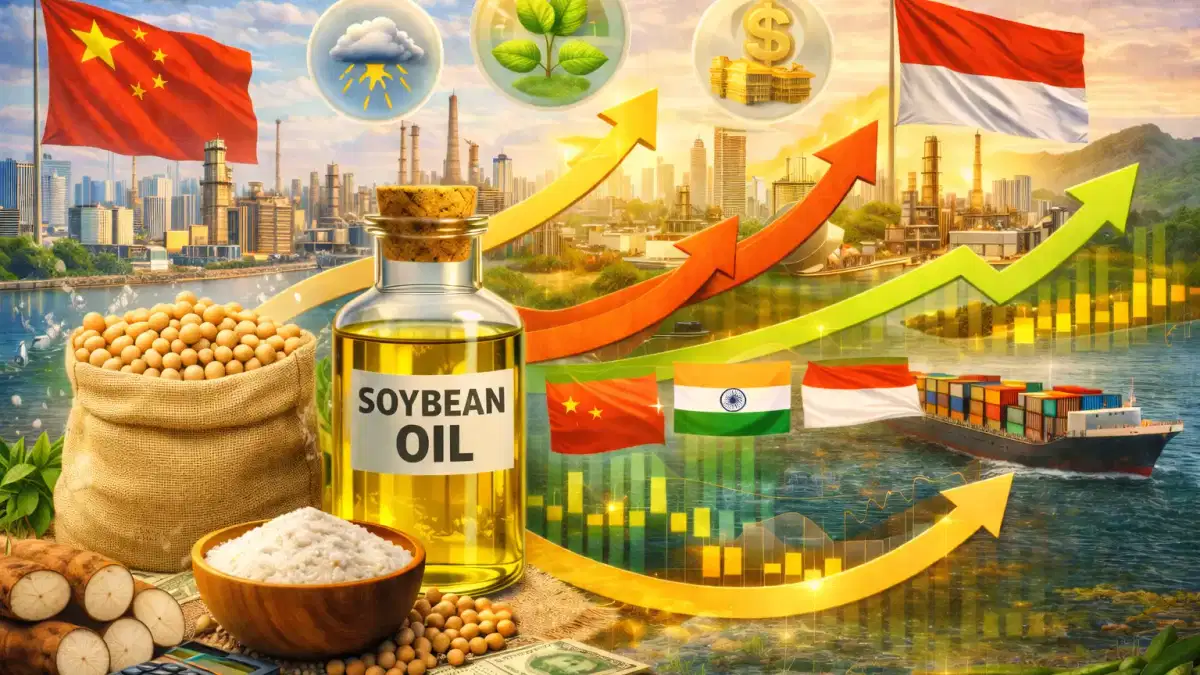
Soybean Oil in Asia 2026: Prices & Sourcing Guide
Explore 2026 Asian soybean oil prices, trade flows, and sourcing options, with insights on bulk and refined soybean oil
Lecithin and the Soy Supply Chain: What Trade Tensions Mean for a By-Product Ingredient
Soy lecithin is produced during soybean oil refining, making its supply closely linked to global soybean trade flows. Understanding how trade tensions influence soybean processing can help procurement professionals anticipate changes in lecithin availability and sourcing strategies.

How Butter Oil Replacer Supply Chains Are Evolving Across Fats and Oils Industry
Exploring how butter oil replacer supply chains evolve with global fats markets, sustainability demands, tech innovation, and trade shifts worldwide
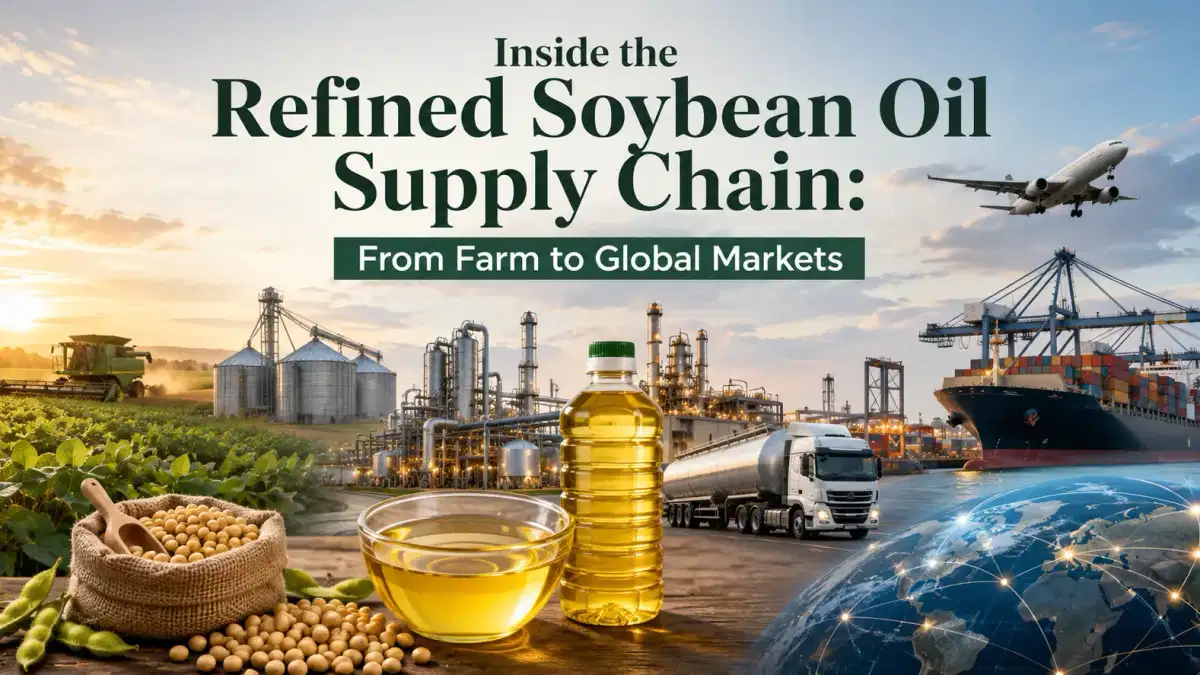
Inside the Refined Soybean Oil Supply Chain: From Farm to Global Markets
Explore the refined soybean oil supply chain from farm production to global markets, covering refining, trade, logistics, and demand trends.

Refined vs. Crude Soybean Oil: What Asian Buyers Need to Know
Understand the key differences between refined (RBD) and crude soybean oil along with sourcing guidance for B2B buyers across Asia.