

Basic Information
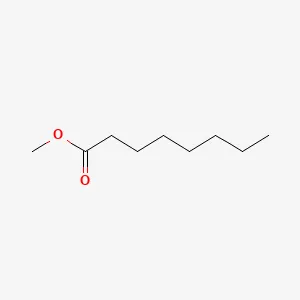
Methyl Caprylate Structure
IUPAC Name | Methyl octanoate |
CAS Number | 111-11-5 |
HS Code | 2915.90 |
Molecular Formula | C9H18O2 |
Structural Formula | CH3(CH2)6COOCH3 |
Synonyms | Methyl octanoate, Octanoic acid methyl ester, Caprylic acid methyl ester, C8:0 methyl ester |
Molecular Weight | 158.24 g/mol |
Description
Methyl caprylate is the methyl ester of caprylic acid (octanoic acid, C8:0). It is a medium-chain fatty acid methyl ester present in the methyl ester fraction of coconut and palm kernel oil. It has a characteristic waxy, fruity odor and is valued in both flavor/fragrance and oleochemical applications.
Methyl caprylate serves as an intermediate for the synthesis of various esters, surfactants, and pharmaceutical agents. It is also a component of MCT (medium-chain triglyceride) oil methyl esters used in nutritional research and biodiesel applications.
Its good solvent properties and chemical stability make it suitable for use in specialty lubricants, cosmetics, and industrial chemical synthesis.
Chemical and Physical Properties
Physical Description | Clear, colorless oily liquid. |
Color / Form | Colorless. |
Odor | Waxy, fruity, mild fatty odor. |
Taste | Mild, slightly fatty. |
Boiling Point | Approx. 193 °C |
Melting Point | -40 °C |
Flash Point | ~79 °C |
Solubility | Practically insoluble in water; soluble in ethanol and organic solvents. |
Density | Approx. 0.877 g/cm³ |
Vapor Density | Greater than air. |
Vapor Pressure | Low at ambient temperature. |
Stability / Shelf Life | Stable under normal conditions. |
Viscosity | Low viscosity liquid. |
Heat of Combustion | Approx. −5,230 kJ/mol (estimated). |
Polymerization | No hazardous polymerization. |
Ionization Potential | No data available. |
Uses and Manufacturing
Uses
Methyl caprylate is an important C8 fatty acid methyl ester with applications in synthesis, solvents, flavors, and biofuels. As a chemical intermediate, methyl caprylate is used to produce octyl alcohol (1-octanol) by catalytic hydrogenation, which is subsequently used in the production of 2-ethylhexanol, octyl acrylate, and dioctyl phthalate plasticizers.
In the flavor and fragrance industry, methyl caprylate contributes a waxy, fatty, citrus-like, and slightly apricot/coconut character to flavor compositions for dairy products, tropical fruits, and certain beverage applications. It is used in pineapple, coconut, and citrus flavor compounds.
In the biodiesel context, methyl caprylate is a component of coconut oil-derived biodiesel and MCT oil methyl esters. Its short chain length contributes to the excellent cold flow properties and low kinematic viscosity of coconut biodiesel, making it valuable as a blending component to improve cold-weather biodiesel performance.
Pharmaceutical and cosmetic applications include its use as a non-polar solvent vehicle for lipophilic active ingredients, a penetration enhancer in transdermal formulations, and as a component in lipid-based drug delivery systems. It is generally recognized as a milder alternative to propylene glycol-based solvents in some cosmetic applications.
In specialty lubricant applications, methyl caprylate is used as a component in biodegradable lubricant bases and cutting fluid formulations.
Methods of Manufacturing
Methyl caprylate is produced by transesterification of caprylic acid-containing natural oils (coconut oil, palm kernel oil, which contain ~7–9% C8 fatty acids) with methanol in the presence of a catalyst, or by direct esterification of caprylic acid with methanol.
In the transesterification route, crude coconut oil FAME is produced and then fractionally distilled to isolate the C8 methyl ester fraction. Due to the proximity of boiling points of methyl caprylate (193 °C) and methyl caprate (224 °C), high-efficiency distillation columns are required to achieve good separation.
High-purity methyl caprylate (>99% GC) for pharmaceutical or analytical use requires careful fractionation and quality testing against pharmacopeial or analytical reference standards specifications.
Hazard Identification
Hazard Summary
Low to moderate acute toxicity. May cause skin and eye irritation.
Fire Hazard
Combustible liquid (flash point ~79 °C). Avoid ignition sources.
Skin, Eye & Respiratory Irritations
Mild skin and eye irritant.
Safety and First Aid
Physical Dangers
Combustible liquid.
Skin First Aid
Wash with soap and water.
Eye First Aid
Rinse with water for 15 minutes.
Ingestion First Aid
Seek medical advice.
Fire Fighting Procedures
Use CO₂, dry chemical, or foam.
Handling and Storage
Nonfire Spill Response
Small spill: Absorb with dry sand or inert absorbent. Collect in labeled, sealable containers. Ventilate area to remove vapors. Prevent entry into drains and waterways.
Large spill: Contain with bunds. Eliminate nearby ignition sources (flash point ~79 °C). Pump into recovery containers. Do not allow to enter waterways. Report significant spills to environmental authorities.
Safe Storage
Store in original, tightly closed containers in a cool, dry, well-ventilated area. Keep away from heat sources, open flames, and oxidizing agents. Ground containers during transfer. Inspect seals regularly. Keep away from food products and incompatible chemicals.
Storage Conditions
Recommended storage temperature: 10–25 °C. Shelf life: 24 months in original sealed containers. Suitable containers: stainless steel 304/316, HDPE, aluminum. Avoid PVC. Nitrogen blanket recommended for bulk storage. Protect from heat, moisture, and direct sunlight.