

Basic Information
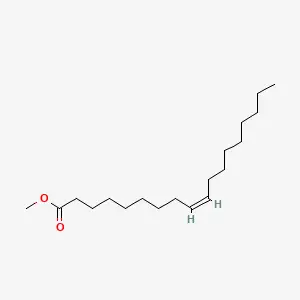
Methyl Oleate Structure
IUPAC Name | : Methyl (Z)-octadec-9-enoate |
CAS Number | : 67762-38-3 |
HS Code | : 2916.15.90 |
Molecular Formula | : C19H36O2 |
Structural Formula | : CH3(CH2)7CH=CH(CH2)7COOCH3 (cis) |
Synonyms | : Methyl oleate, Oleic acid methyl ester, C18:1 methyl ester, Methyl cis-9-octadecenoate |
Molecular Weight | : 296.49 g/mol |
Description
Methyl oleate is the methyl ester of oleic acid (C18:1, cis-9-octadecenoic acid). It is an unsaturated fatty acid methyl ester widely used as a solvent, intermediate, and biodiesel component.
Oleic acid is the most abundant unsaturated fatty acid in olive oil, palm olein, high-oleic sunflower oil, and many other vegetable oils. Its methyl ester retains excellent lubricity and solubility characteristics while being more volatile and less viscous than oleic acid itself.
Methyl oleate is used in biodiesel formulations, solvent applications (including agricultural adjuvants), lubricant additives, and as a starting material for functionalized fatty acid derivatives.
Chemical and Physical Properties
Physical Description | Clear, pale yellow liquid. |
Color / Form | Colorless to pale yellow. |
Odor | Faint, characteristic fatty odor. |
Taste | Mild, fatty. |
Boiling Point | Approx. 218 °C at 15 mmHg |
Melting Point | -19.9 °C |
Flash Point | ~170 °C |
Solubility | Insoluble in water; miscible with most organic solvents and oils. |
Density | Approx. 0.874 g/cm³ |
Vapor Density | Greater than air. |
Vapor Pressure | Very low at ambient temperature. |
Stability / Shelf Life | Moderately stable. Susceptible to oxidation due to the double bond. Store away from air and light. |
Viscosity | Low viscosity (~5 mPa·s at 25 °C). |
Heat of Combustion | Approx. −12,100 kJ/mol. |
Polymerization | May polymerize slowly upon prolonged exposure to air/oxygen (autoxidative drying). |
Ionization Potential | No data available. |
Uses and Manufacturing
Uses
Methyl oleate is a versatile C18:1 FAME with applications spanning bioenergy, solvents, lubricants, and specialty chemicals. In the biodiesel industry, methyl oleate is the primary FAME component of palm olein-based biodiesel (POME biodiesel) and olive oil biodiesel. Its oleic acid backbone provides good cold flow properties compared to saturated C16/C18 FAMEs, and it has excellent lubricity, which reduces fuel injector and engine wear when biodiesel blends are used.
As a specialty solvent, methyl oleate has gained significant commercial interest as a biodegradable, low-toxicity alternative to petroleum-derived solvents in applications including: grease removal, metalworking fluids, cleaning products (degreasers), and asphalt cutback applications. It is a major component of 'bio-based' or 'green' solvent blends marketed for paint stripping, coatings removal, and industrial degreasing.
In the agricultural sector, methyl oleate is used as an adjuvant solvent and carrier in crop protection formulations, and is the active solvent in certain USDA-certified organic biopesticide formulations where it acts as a contact insecticide/suffocant against soft-bodied insects.
Chemical synthesis applications include: epoxidation (to produce epoxidized methyl oleate, a plasticizer precursor), dimerization (to produce dimer acids/esters), metathesis reactions (using Grubbs catalysts) to produce specialty chemicals, and Wacker-type oxidations to produce methyl 9-oxononanoate intermediates.
In the lubricant industry, methyl oleate is used as a base component in biodegradable lubricant formulations, hydraulic fluids, and as a viscosity modifier.
Methods of Manufacturing
Methyl oleate is produced by transesterification of oleic acid-rich oils (palm olein, olive oil, high-oleic sunflower oil, high-oleic canola oil) with methanol in the presence of base (NaOH or KOH) or acid catalyst (H₂SO₄) at appropriate reaction temperature.
Purification is achieved by distillation under reduced pressure (vacuum distillation) to isolate the C18:1 methyl ester fraction. Because methyl oleate boils close to methyl stearate (methyl octadecanoate), careful fractionation is required. High-oleic feedstocks (>80% oleic acid) simplify the distillation and yield higher-purity methyl oleate with less C18:0 contamination.
The oxidative stability of methyl oleate is significantly lower than saturated FAME. Commercial products are typically stabilized with antioxidants (BHT, tocopherols) and stored under nitrogen blanketing in dark, cool conditions to minimize oxidative degradation.
Hazard Identification
Hazard Summary
Low acute toxicity. May cause mild skin and eye irritation. May be irritating to the respiratory tract at elevated vapor concentrations.
Fire Hazard
Combustible liquid with a relatively high flash point (~170 °C).
Skin, Eye & Respiratory Irritations
Mild irritant on direct contact with skin and eyes.
Safety and First Aid
Physical Dangers
Combustible liquid with high flash point.
Skin First Aid
Wash with soap and water.
Eye First Aid
Flush with water for at least 15 minutes.
Ingestion First Aid
Seek medical advice.
Fire Fighting Procedures
Use CO₂, foam, or dry chemical.
Handling and Storage
Nonfire Spill Response
Small spill: Absorb with inert absorbent material (sand, earth, commercial absorbent). Collect in labeled containers for disposal or recovery. Prevent entry into waterways.
Large spill: Contain with bunds. Pump into recovery containers. Do not allow large quantities to enter waterways (high BOD). Report significant spill to environmental authorities. Ventilate area.
Safe Storage
Store in original, tightly closed containers in a cool, dry, dark, well-ventilated area. Methyl oleate is susceptible to oxidative deterioration — minimize exposure to air and light. Add antioxidant (e.g., BHT at 50–200 ppm) for extended storage. Nitrogen blanket strongly recommended for bulk storage. Keep away from strong oxidizing agents and high temperatures.
Storage Conditions
Recommended storage temperature: 10–20 °C (cool conditions extend oxidative stability). Shelf life: 12 months without antioxidant; 18–24 months with antioxidant and nitrogen blanketing. Suitable containers: stainless steel 304/316, HDPE, or aluminum. Avoid copper and brass. Nitrogen blanket mandatory for bulk storage. Protect from light. Monitor peroxide value and acid value periodically during storage.