

Basic Information
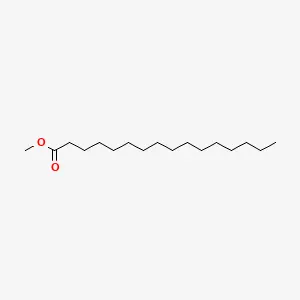
Methyl Palmitate Structure
IUPAC Name | Methyl hexadecanoate |
CAS Number | 112-39-0 |
HS Code | 2915.70 |
Molecular Formula | C17H34O2 |
Structural Formula | CH3(CH2)14COOCH3 |
Synonyms | Methyl palmitate, Palmitic acid methyl ester, Hexadecanoic acid methyl ester, C16:0 methyl ester |
Molecular Weight | 270.46 g/mol |
Description
Methyl palmitate is the methyl ester of palmitic acid (hexadecanoic acid, C16:0). It is one of the most abundant fatty acid methyl esters in palm oil-derived biodiesel and a key intermediate in oleochemical manufacturing.
Palmitic acid is the predominant fatty acid in palm oil (approximately 44%), making methyl palmitate one of the principal FAME components in palm-based biodiesel alongside methyl oleate and methyl stearate.
Methyl palmitate is used as a chemical intermediate, standard for analytical methods (FAME analysis by GC), and component in specialty lubricants and wax formulations. It is also used in cosmetic formulations as a skin conditioning agent.
Chemical and Physical Properties
Physical Description | White crystalline solid or waxy flakes at room temperature. |
Color / Form | White. |
Odor | Faint, characteristic waxy odor. |
Taste | Bland, slightly fatty. |
Boiling Point | Approx. 185–187 °C at 10 mmHg |
Melting Point | 27–30 °C |
Flash Point | ~185 °C |
Solubility | Practically insoluble in water; soluble in ethanol and organic solvents. |
Density | Approx. 0.852 g/cm³ |
Vapor Density | Greater than air. |
Vapor Pressure | Very low at ambient temperature. |
Stability / Shelf Life | Stable under normal conditions. Good oxidative stability due to saturated nature. |
Viscosity | Low viscosity liquid above melting point. |
Heat of Combustion | Approx. −10,780 kJ/mol. |
Polymerization | No hazardous polymerization. |
Ionization Potential | No data available. |
Uses and Manufacturing
Uses
Methyl palmitate is a major FAME component of palm oil-based biodiesel (POME) and represents approximately 40–45% of the total FAME in B100 palm biodiesel. Its high melting point (27–30 °C) contributes to the relatively high cloud point of palm biodiesel and is the primary reason palm biodiesel is blended with lower cloud point biodiesels (e.g., soybean, canola) or petroleum diesel to improve cold-weather performance.
As a chemical intermediate, methyl palmitate is used to produce cetyl alcohol (1-hexadecanol) by catalytic hydrogenation. Cetyl alcohol derived from methyl palmitate is an important emollient and emulsifier in cosmetics and personal care products. Methyl palmitate can also be used to produce palmitaldehyde, palmitic anhydride, and various palmitic acid esters used in cosmetics and lubricants.
In the wax and polish industry, methyl palmitate is used as a component of synthetic wax blends and polish formulations due to its hard, crystalline nature. Its high melting point and low color make it suitable for applications requiring a hard wax texture.
In cosmetics, methyl palmitate is used as an emollient and skin conditioning ingredient in creams, lotions, and color cosmetics. It provides a smooth, non-greasy skin feel and improves formulation stability.
Analytical applications: methyl palmitate is the most widely used primary reference standard for C16:0 fatty acid in GC FAME analysis methods (AOCS, ISO, AOAC), essential for quantitative fatty acid profiling of food oils, biodiesel quality control, and nutritional labeling.
Methods of Manufacturing
Methyl palmitate is produced by transesterification of palm oil (or other palmitic acid-rich oils) with methanol in the presence of sodium hydroxide or potassium hydroxide catalyst at 60–70 °C. The reaction produces a crude FAME mixture containing predominantly methyl palmitate and methyl oleate, along with methyl stearate and methyl linoleate.
Methyl palmitate is isolated from the crude FAME by fractional distillation under vacuum or by crystallization from organic solvents (e.g., hexane or acetone) at low temperature, exploiting its higher melting point relative to unsaturated methyl esters.
High-purity methyl palmitate (>99% GC, reference standard grade) is produced by multiple recrystallizations and GC verification. Commercial technical grade is produced by straightforward distillation and meets requirements for color (APHA <10), acid value (<0.1 mg KOH/g), and GC purity (>98%).
Hazard Identification
Hazard Summary
Low toxicity. May cause mild irritation on direct contact.
Fire Hazard
Combustible with a high flash point (~185 °C).
Skin, Eye & Respiratory Irritations
Mild skin and eye irritant.
Safety and First Aid
Physical Dangers
Combustible solid/liquid.
Skin First Aid
Wash with soap and water.
Eye First Aid
Rinse with water.
Ingestion First Aid
Seek medical advice if large quantities are ingested.
Fire Fighting Procedures
Use CO₂, foam, or dry chemical.
Handling and Storage
Nonfire Spill Response
Small spill (solid): Sweep or vacuum carefully. Collect in labeled containers. For molten spill, allow to solidify before collection. Warn of slip hazard.
Large spill: Contain. Allow to cool and solidify. Collect mechanically. Prevent entry into drains. Dispose according to local regulations.
Safe Storage
Store in original, tightly closed containers in a cool, dry, well-ventilated area. Protect from heat, moisture, and strong oxidizing agents. Bulk melt storage at 35–45 °C (above melting point) in stainless steel or HDPE tanks. Containers should be sealed to prevent moisture absorption and oxidation.
Storage Conditions
Recommended storage temperature: 15–25 °C (solid); 35–45 °C (melt). Shelf life: 24 months in original sealed containers. Suitable containers: HDPE drums, stainless steel 304/316 tanks, glass-lined vessels for high purity grades. Nitrogen blanket for bulk melt storage. Protect from light, moisture, and oxidizing agents.