

Basic Information
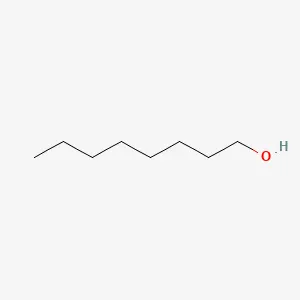
Octyl Alcohol Structure
IUPAC Name | Octan-1-ol |
CAS Number | 111-87-5 |
HS Code | 2905.14 |
Molecular Formula | C8H18O |
Structural Formula | CH3(CH2)6CH2OH |
Synonyms | 1-Octanol, n-Octanol, n-Caprylic alcohol, C8 fatty alcohol |
Molecular Weight | 130.23 g/mol |
Description
Octyl alcohol (1-octanol) is an 8-carbon aliphatic alcohol that serves as a medium-chain fatty alcohol. It is used widely as a solvent, fragrance ingredient, and chemical intermediate in various industries.
Octyl alcohol is derived from the reduction of caprylic acid or from synthetic routes (OXO synthesis). It has a mild, sweet, citrus-like odor that makes it suitable for use in perfumery and flavorings.
As a chemical intermediate, octyl alcohol is used to produce octyl esters (such as dioctyl phthalate plasticizers and 2-ethylhexanol derivatives), surfactants, lubricant additives, and coatings ingredients.
Chemical and Physical Properties
Physical Description | Clear, colorless liquid with a mild, penetrating odor. |
Color / Form | Colorless. |
Odor | Mild, sweet, slightly floral fatty odor. |
Taste | Mild, burning sensation. |
Boiling Point | Approx. 195 °C |
Melting Point | -16 °C |
Flash Point | ~81 °C |
Solubility | Slightly soluble in water; miscible with ethanol and most organic solvents. |
Density | Approx. 0.824 g/cm³ |
Vapor Density | Greater than air. |
Vapor Pressure | Low at ambient temperature. |
Stability / Shelf Life | Stable under normal conditions. |
Viscosity | Low viscosity liquid (~7 mPa·s at 25 °C). |
Heat of Combustion | Approx. −5,290 kJ/mol. |
Polymerization | No hazardous polymerization. |
Ionization Potential | Approx. 9.8 eV. |
Uses and Manufacturing
Uses
Octyl alcohol (1-octanol) is a versatile medium-chain fatty alcohol with a wide range of industrial, cosmetic, and laboratory applications. Its most significant industrial application is as a chemical intermediate for producing 2-ethylhexyl esters (via branching reactions), including dioctyl phthalate (DOP), dioctyl adipate (DOA), and dioctyl sebacate plasticizers used in PVC, rubber, and flexible polymer compounding.
As a solvent, octyl alcohol is used in coatings, paints, inks, and specialty cleaning formulations. Its moderate water solubility (0.3 g/100 mL) and log P of 3.0 make it a useful model compound in drug discovery for studying lipophilicity and blood-brain barrier permeability (the 1-octanol/water partition coefficient system, log P, is defined using this compound as the standard organic phase).
In the fragrance and flavor industry, octyl alcohol contributes a sweet, floral, green, and waxy character to fragrance compositions. It is used in the synthesis of citronellol-type fragrances and in aldehydic floral perfume accords. As a flavor component, it contributes fatty, citrus, and rose notes to food flavors.
In personal care, octyl alcohol is used as an emollient and solubilizer in skin care and hair care products. Octyl esters produced from octyl alcohol (e.g., ethylhexyl cocoate, octyl palmitate) are widely used cosmetic emollients.
Pharmaceutical applications include use as an antifoaming agent in oral drug formulations, as a penetration enhancer in topical systems, and as a solvent vehicle in pharmaceutical processing and extraction. Biochemical applications include its use as a model organic phase in partition coefficient studies and as a solubilizer for membrane proteins.
Methods of Manufacturing
Octyl alcohol (1-octanol) is produced by two main commercial routes: (1) the Ziegler process (ethylene oligomerization), which produces a mixture of even-numbered linear primary alcohols (C4–C20+), with C8 (1-octanol) being a significant fraction; and (2) the OXO process (hydroformylation of heptene) using rhodium or cobalt catalysts to produce 1-octanol from heptene.
Oleochemical production route: 1-octanol is also produced by hydrogenation of caprylic acid (C8:0 fatty acid) derived from coconut or palm kernel oil, yielding a natural, bio-based octyl alcohol. This route is preferred for cosmetic and food-contact applications where natural/bio-based origin is a selling point.
The crude product from any route is purified by fractional distillation to yield 1-octanol with the required purity. Quality parameters include GC purity, hydroxyl value, acid value, iodine value, color, and moisture.
Hazard Identification
Hazard Summary
Moderately toxic. May cause skin, eye, and respiratory irritation. Harmful if swallowed in large quantities.
Fire Hazard
Combustible liquid (flash point ~81 °C).
Skin, Eye & Respiratory Irritations
Skin and eye irritant. Vapors may cause respiratory irritation.
Safety and First Aid
Physical Dangers
Combustible liquid.
Skin First Aid
Remove contaminated clothing. Wash with soap and water thoroughly.
Eye First Aid
Flush immediately with water for 15 minutes. Seek medical attention.
Ingestion First Aid
Do not induce vomiting. Seek immediate medical attention.
Fire Fighting Procedures
Use CO₂, dry chemical, or foam. Do not use water jet which may spread the fire.
Handling and Storage
Nonfire Spill Response
Small spill: Absorb with dry sand or inert absorbent. Collect in labeled, sealable containers. Ventilate area. Prevent entry into drains (aquatic toxicity concern).
Large spill: Contain with bunds. Eliminate ignition sources (flash point ~81 °C). Pump into recovery containers. Do not allow entry into waterways. Notify environmental authorities. Ventilate area thoroughly.
Safe Storage
Store in original, tightly closed containers in a cool, dry, well-ventilated area. Keep away from heat, ignition sources, and oxidizing agents. Ground and bond containers during transfer to prevent static discharge. Ensure storage area is equipped with appropriate vapor detection and ventilation.
Storage Conditions
Recommended storage temperature: 10–25 °C. Flash point ~81 °C — comply with local flammable liquid storage regulations. Shelf life: 24 months in original sealed containers. Suitable containers: stainless steel 304/316, HDPE, or carbon steel (unlined). Nitrogen blanket for bulk storage. Protect from moisture and heat.