

Basic Information
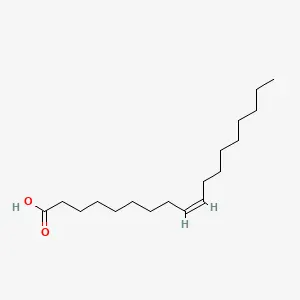
Oleic Acid Structure
IUPAC Name | (Z)-Octadec-9-enoic acid |
CAS Number | 112-80-1 |
HS Code | 2916.15 |
Molecular Formula | C18H34O2 |
Structural Formula | CH3(CH2)7CH=CH(CH2)7COOH (cis, Δ9) |
Synonyms | cis-9-Octadecenoic acid, 9-Octadecenoic acid, Red oil, Elainic acid |
Molecular Weight | 282.47 g/mol |
Description
Oleic acid is a monounsaturated omega-9 fatty acid found abundantly in olive oil, palm olein, canola oil, and animal fats. It is the most prevalent monounsaturated fatty acid in the human diet and a major component of many natural oils.
Oleic acid is a liquid at room temperature due to the cis double bond at the C9 position, which disrupts molecular packing. This characteristic gives oleic acid and its derivatives excellent lubricity and low-temperature performance.
Industrially, oleic acid is a versatile raw material for producing soaps, surfactants, lubricants, cosmetic emollients, plasticizers, and anti-corrosion agents. It is also used as a component in cutting fluids, textile processing, and rubber formulations.
Chemical and Physical Properties
Physical Description | Pale yellow to amber oily liquid. |
Color / Form | Pale yellow to amber. |
Odor | Faint, characteristic fatty odor. |
Taste | Mild, fatty, slightly bitter. |
Boiling Point | Approx. 360 °C |
Melting Point | 13–14 °C |
Flash Point | ~189 °C |
Solubility | Practically insoluble in water; miscible with ethanol, diethyl ether, and vegetable oils. |
Density | Approx. 0.895 g/cm³ |
Vapor Density | Greater than air. |
Vapor Pressure | Negligible at ambient temperature. |
Stability / Shelf Life | Moderate stability. Susceptible to oxidative rancidity due to the double bond. |
Viscosity | Moderate viscosity (~25–30 mPa·s at 25 °C). |
Heat of Combustion | Approx. −11,368 kJ/mol. |
Polymerization | May undergo oxidative polymerization on prolonged exposure to air. |
Ionization Potential | No data available. |
Uses and Manufacturing
Uses
Oleic acid is one of the most industrially versatile fatty acids, with applications spanning food, personal care, industrial chemistry, and energy sectors. In soap and detergent manufacturing, oleic acid produces liquid soaps (sodium or potassium oleate are used in liquid soap and soft soap formulations) and contributes conditioning properties to soap bars. Oleic acid-based soaps are less drying than lauric acid soaps and are preferred in premium skin-care soaps.
In the cosmetic industry, oleic acid is widely used as an emollient, penetration enhancer, and emulsifier. It closely mimics the composition of human sebum (skin oil), making it highly compatible with skin lipids and an effective moisturizer and barrier-repair agent. It is used in facial oils, body oils, serums, hair treatments, and lipstick/lip care formulations.
Industrial oleic acid is a primary raw material for producing: (1) metallic oleates (copper, zinc, lead, calcium, manganese oleates) used as lubricants, paint driers, and stabilizers; (2) alkyd resins for paints and varnishes; (3) oleoyl chloride and oleic anhydride for synthesis of oleate esters; (4) isostearic acid (via oleic acid dimerization and hydrogenation); (5) 9,10-epoxy stearic acid (via peracid epoxidation) as a PVC plasticizer.
Oleic acid is used in metalworking cutting fluids as a lubrication additive, in textile processing as a fiber lubricant, and in the leather industry as a fat-liquoring agent to restore flexibility to tanned leather hides.
In pharmaceuticals, oleic acid is an approved excipient used in aerosol propellant systems (e.g., metered dose inhalers), topical formulations, and lipid-based drug delivery systems. It is also a key component of omega-9 dietary supplement products.
Methods of Manufacturing
Oleic acid is obtained by hydrolysis of fats and oils rich in oleic acid (palm olein, olive oil, sunflower oil, tallow) followed by fractional distillation under vacuum. The degree of unsaturation and oleic acid content of the raw material determines the quality of the final product.
Commercial oleic acid is graded by its oleic acid content and iodine value: commercial grade (70–75% oleic), technical grade (75–80% oleic), and high-purity grade (>90% oleic, obtained from high-oleic sunflower or canola). Palm olein-derived oleic acid typically contains 36–44% oleic with balance palmitic and linoleic acids.
Further purification by molecular distillation under high vacuum at 180–220 °C can produce pharmaceutical or food grade oleic acid with >95% purity. Quality parameters include acid value, iodine value, saponification value, unsaponifiable matter, color (Gardner), peroxide value, and GC fatty acid profile.
Hazard Identification
Hazard Summary
Low acute toxicity. May cause mild skin and eye irritation. Combustible at elevated temperatures.
Fire Hazard
Combustible liquid with a high flash point (~189 °C).
Skin, Eye & Respiratory Irritations
Mild skin and eye irritant on direct, prolonged contact.
Safety and First Aid
Physical Dangers
Combustible liquid with high flash point.
Skin First Aid
Wash with soap and water.
Eye First Aid
Flush with water for 15 minutes.
Ingestion First Aid
Seek medical advice if large amounts are consumed.
Fire Fighting Procedures
Use CO₂, foam, or dry chemical.
Handling and Storage
Nonfire Spill Response
Small spill: Absorb with inert absorbent material (sand, earth, commercial oil absorbent). Collect in labeled containers. Prevent entry into drains and waterways.
Large spill: Contain with bunds. Do not allow entry into waterways (high BOD). Pump into recovery containers. Ventilate area. Dispose in accordance with local regulations.
Safe Storage
Store in tightly closed containers in a cool, dry, dark, well-ventilated area. Oleic acid is susceptible to oxidative rancidity — protect from air, light, and heat. Add antioxidant (BHT or mixed tocopherols) for extended storage. Nitrogen blanket strongly recommended for bulk storage. Avoid contact with oxidizing agents, iron, and copper (catalyze oxidation). Do not store near food products.
Storage Conditions
Recommended storage temperature: 15–25 °C. Avoid storage above 30 °C. Shelf life: 12 months without special precautions; 18–24 months with nitrogen blanket and antioxidant. Suitable containers: stainless steel 304/316, aluminum, or HDPE. Avoid iron, copper, and brass. Nitrogen blanket mandatory for bulk storage. Protect from light. Monitor iodine value and peroxide value periodically. Keep containers sealed.