
Share this product
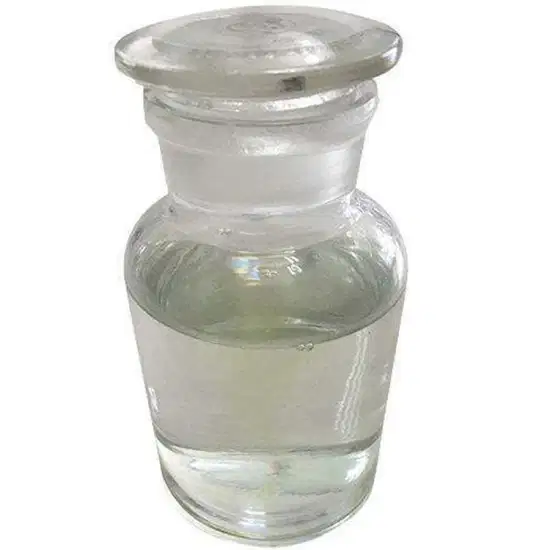
Refined Glycerine 99.7% Min Vegetable (Argentina Origin)
- Origin
- Argentina
- CAS Number
- 56-81-5
- HS Code
- 2905.45.00
Basic Info
- IUPAC Name
- propane-1,2,3-triol
- Molecular Formula
- C3H8O3
- Molecular Weight (g/mol)
- 92.0900
- Synonyms & Trade Names
- Glycerin; Glycerol; 1,2,3-Propanetriol; E422
- Purity / Assay (%)
- 99.5% min
- Physical Form
- Liquid
- Concentration
- Pure substance
- Appearance / Color
- Clear to slightly colored liquid
- Odor
- Sweet
- Melting Point (°C)
- 18.0000
- Boiling Point (°C)
- 290
- Density (g/cm³)
- 1.2610
- Solubility in Water
- Miscible
- UN Number
- Not applicable
- H-Statements
- None
- P-Statements
- P260
- REACH Status
- Registered
- Drug Precursor Status
- Non-precursor
- Storage Class (GHS)
- 10
- Storage Conditions
- Cool, dry place; away from oxidizers
Categories
Technical Document
Brief Overview
Refined glycerine, also known as glycerol or glycerin, is a basic sugar alcohol with three hydroxyl groups that give it its water solubility and hygroscopic qualities. This substance's colorless, odorless, and transparent liquid condition draw attention to its natural sweetness and minimal toxicity. Both its boiling temperature and viscosity are high. It is derived from petrochemical feedstock and finds application in a range of industries, such as biodiesel, food, pharmaceutical, cosmetic, and personal care.
Manufacturing Process
Threshing
The first step in processing palm fruit involves carefully removing the main stem and attached spikelets.
Sterilization
The palm fruit undergoes steam sterilization at high temperatures to prevent oil oxidation and hydrolysis, aiding in separating the fruit's walls from the kernel, gum, and resin due to enhanced internal moisture.
Digestion
Sterilized palm fruits are mechanically mixed and smashed at elevated temperatures, breaking down the pulp and cells to release palm oil with added heat for smooth mixing.
Pressing
Processed palm fruit undergoes pressing in a hydraulic machine to extract palm oil, collected for further processing.
Oil clarification
After extraction, the oil undergoes purification with hot water, initiating a separation process and filtering particles to create a clear distinction between water and oil layers.
Deacidification
Solvent extraction with methanol is used to remove free fatty acids, enhancing the oil's shelf life and preventing oxidation and unwanted odors.
Transeferication/Saponification
Hydrolysis under high pressure and temperature breaks down deacidified palm oil into fatty acid and glycerol/glycerine chains. While glycerine is now ready for extraction, further refinement is needed before labeling it as refined glycerine.
Glycerin pre-treatment
Various separation techniques are applied to purify the combination of glycerine and fatty acid chains. Distillation extracts glycerine, utilizing heat to encourage glycerol and fatty acid evaporation, with glycerine evaporating more readily due to its lower boiling point.
Evaporation
Complete refinement of glycerine involves eliminating residual methanol from the deacidification process. Evaporating the methanol ensures the production of thoroughly refined glycerine