Explore our network of country and industry based websites to access localized information, product offerings, and business services across our group.

Access reliable chemical market information through our update channels.
Real-time Updates
Daily Updates
To view and access the document, you are required to sign in to your account first.
Don't have an account? Sign Up Here
Home Navigating Palm Kernel Oil vs. Diethanolamine Volatility Toward 2040
Pricing Indices | 10 November 2025
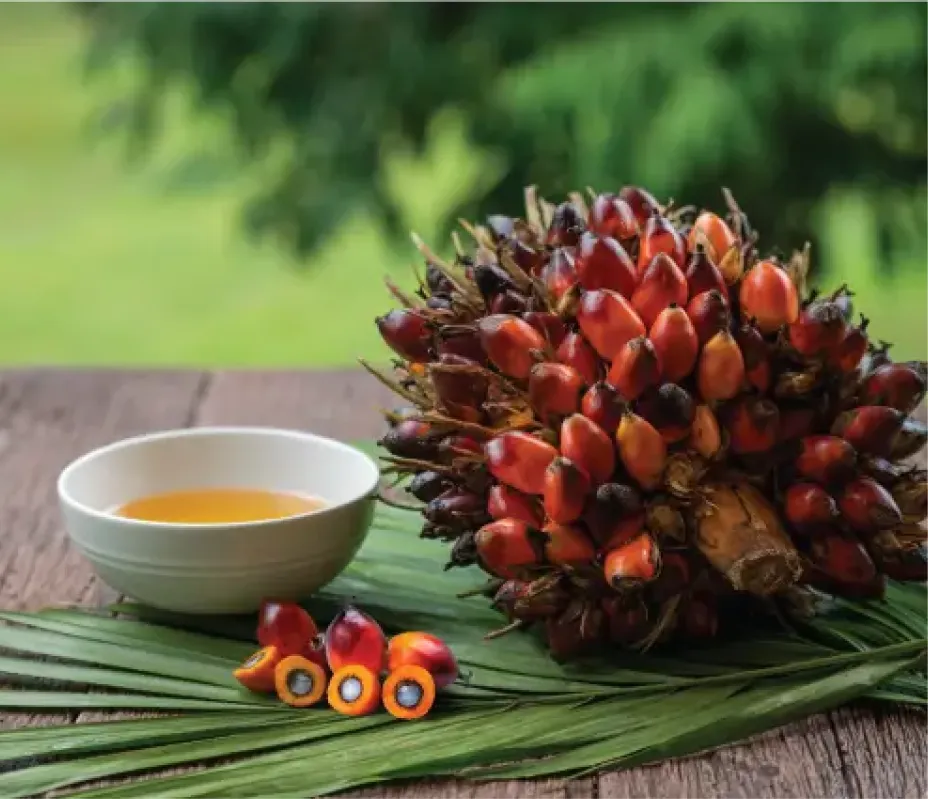
The final price of Palm Kernel Diethanolamide is dictated almost entirely by its two core raw materials: one from the plantation, Palm Kernel Oil, and one from the refinery, Diethanolamine. Understanding the distinct, and often opposing, market forces driving these two feedstocks is critical for any procurement strategy looking toward the 2040 horizon.
For procurement leaders, this dual-input volatility creates a significant and persistent challenge to budget stability. Securing cost-effective and reliable Palm Kernel Diethanolamide is no longer a simple transaction; it's a complex strategic sourcing exercise, demanding a partner with deep, specialized intelligence in both agricultural commodities (like Palm Kernel Oil) and petrochemicals (like Diethanolamine).
The 2020-2024 period provided a perfect storm for both key inputs. Palm Kernel Oil, which typically dictates 60% to 70% of the raw material cost, exhibited extreme swings. As tracked by industry sources like Palm-Chemicals, Palm Kernel Oil prices peaked at over $1,700 per metric ton in 2022, showing a high correlation (approx. 0.85) with final Palm Kernel Diethanolamide contract prices. Simultaneously, Diethanolamine (the remaining 30-40% of cost) faced its own pressures, spiking during the 2021 energy crisis as it is tied directly to crude oil and ethylene prices. This dual volatility compressed producer margins, which shrank by an estimated 15-20% during the 2022 peaks.
In an environment this chaotic, the most successful manufacturers are those who prioritize supply chain transparency and resilience. As one industry executive noted, "In the 2040s, your most valuable asset won't be your factory; it will be your guaranteed, transparent, and reliable line of sight straight back to the kernel mill."
Looking ahead, procurement managers must model for two independent risks that are unlikely to subside. The Palm Kernel Oil price will be heavily influenced by domestic policies, such as Indonesia's aggressive B40/B50 biodiesel mandates, which create a massive domestic sink for this exact feedstock. Conversely, Diethanolamine prices will be dictated by the global energy transition, fluctuating petrochemical capacity, and potential carbon taxes, which could add 5-10% to derivative costs by 2035. A successful 2040 strategy will require unbundling these two raw material factors, hedging agro-commodity risk separately from petrochemical risk.
Sources:
Palm-Chemicals: Palm Oil & Oleochemical Price Data https://www.palm-chemicals.com/
ICIS (Independent Commodity Intelligence Services): Petrochemical & Surfactant Market Analysis https://www.icis.com/
Oils & Fats International: Global Oleochemical Cost Structure & Industry Analysis https://www.oilsandfatsinternational.com/
Access the complete article and discover related coverage.
We're committed to your privacy. Tradeasia uses the information you provide to us to contact you about our relevant content, products, and services. For more information, check out our privacy policy.


 English
 Indonesian
 简体字
简体字
 العربية
 Español
 Français
 Português
 日本語
日本語
 한국어
한국어
 Tiếng Việt