Explore our network of country and industry based websites to access localized information, product offerings, and business services across our group.

Access reliable chemical market information through our update channels.
Real-time Updates
Daily Updates
Log in to start sending quotation requests for any product.
Don't have an account? Sign Up Here
Home Learning Center Caproic Caprylic Acid
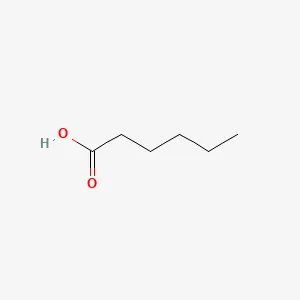
Caproic Caprylic Acid Structure
| IUPAC Name | : Hexanoic acid / Octanoic acid mixture |
| CAS Number | : 142-62-1 / 124-07-2 |
| HS Code | : 3823.19.90 |
| Molecular Formula | : C6H12O2 / C8H16O2 |
| Structural Formula | : CH3(CH2)4COOH / CH3(CH2)6COOH |
| Synonyms | : Hexanoic acid, Octanoic acid, Caproic acid, Caprylic acid mixture |
| Molecular Weight | : 116.16 g/mol / 144.21 g/mol |
Caproic caprylic acid refers to a mixture of medium-chain fatty acids primarily consisting of caproic acid (C6) and caprylic acid (C8). These fatty acids occur naturally in coconut oil, palm kernel oil, and dairy fats. Due to their relatively short carbon chains compared with long-chain fatty acids, they exhibit distinctive physical and metabolic properties.
The mixture is commonly used in oleochemical processing, food additives, personal care products, and industrial chemical synthesis. Its medium-chain structure provides high solubility in organic solvents and relatively low melting points.
Industrially, these fatty acids are obtained from hydrolysis and fractionation of coconut or palm kernel oil. They are used as intermediates for ester production, surfactants, lubricants, and antimicrobial agents.
| Physical Description | : Oily liquid with a mild fatty odor. |
| Color / Form | : Colorless to pale yellow liquid. |
| Odor | : Slight fatty odor. |
| Taste | : Sharp fatty taste. |
| Boiling Point | : Approx. 205–240 °C |
| Melting Point | : Below room temperature. |
| Flash Point | : ~110 °C |
| Solubility | : Slightly soluble in water; soluble in alcohol and organic solvents. |
| Density | : Approx. 0.90 g/cm³ |
| Vapor Density | : Greater than air. |
| Vapor Pressure | : Low at ambient temperature. |
| Stability / Shelf Life | : Stable under normal storage conditions. |
| Viscosity | : Low viscosity liquid. |
| Heat of Combustion | : Approx. −3,858 kJ/mol (caproic); −5,380 kJ/mol (caprylic). High energy fatty acid fuel value. |
| Polymerization | : No hazardous polymerization. |
| Ionization Potential | : No data available. |
Caproic caprylic acid mixtures are widely used as chemical intermediates in the oleochemical industry. They serve as precursors for the synthesis of esters such as glyceryl caprylate/caprate and propylene glycol caprylate/caprate, which are used in cosmetics, food emulsifiers, and pharmaceutical formulations.
In the food industry, caproic and caprylic acids are approved flavoring agents that contribute buttery, fatty, and rancid notes to processed foods, dairy simulations, and confectionery. Their potent antimicrobial activity, especially against gram-positive bacteria, yeasts, and molds, makes them effective natural preservatives in food formulations and packaging.
In personal care and cosmetics, medium-chain fatty acid mixtures contribute emollient and skin-conditioning properties. They are used as carriers for active ingredients, particularly in leave-on and rinse-off skin care and hair care products. Caprylic acid is widely recognized as a mild, effective preservative and antimicrobial ingredient in cosmetic products.
Industrial applications include use as a lubricant intermediate, plasticizer raw material, and corrosion inhibitor in metalworking fluids. Specialty uses include textile processing aids, animal nutrition formulations (to inhibit pathogenic bacteria in the gut), and manufacturing of PVC heat stabilizers (metallic caprylates such as zinc and calcium caprylate). In pharmaceutical applications, caprylic acid derivatives are used in lipid-based drug delivery systems designed to enhance the bioavailability of poorly water-soluble active pharmaceutical ingredients.
Commercial production of caproic caprylic acid involves the hydrolysis of triglycerides from coconut oil or palm kernel oil, which naturally contain high proportions of medium-chain fatty acids. The hydrolysis is typically carried out using steam at high temperature and pressure (fat splitting, Colgate-Emery process) or using enzymatic or acid/base-catalyzed methods.
Following hydrolysis, the crude fatty acid mixture is subjected to fractional distillation under reduced pressure to separate individual fatty acid fractions based on carbon chain length. Fractions containing predominantly C6 (caproic) and C8 (caprylic) acids are collected and may be blended to achieve the desired caproic/caprylic ratio required by the customer specification.
Further purification may involve steam stripping, activated carbon treatment for color removal, and neutralization or ion exchange for quality improvements. The final product is standardized for purity (GC analysis), acid value, color (APHA), and moisture content before packaging and shipment.
Caproic caprylic acid mixtures may cause mild irritation to the eyes, skin, and respiratory tract upon exposure. Not classified as acutely toxic.
Combustible liquid that may ignite if exposed to sufficient heat (flash point ~110 °C). Keep away from open flames and strong oxidizing agents.
Contact with the liquid or vapors may cause irritation of skin and eyes. Prolonged or repeated skin contact may cause dryness or mild dermatitis.
Combustible organic liquid. Vapors are heavier than air.
Remove contaminated clothing. Wash affected area thoroughly with soap and water. If irritation persists, seek medical advice.
Immediately flush eyes with clean, lukewarm water for at least 15 minutes, lifting eyelids occasionally. Seek medical attention if irritation persists.
Do not induce vomiting. Rinse mouth with water and give water to drink. Seek medical attention if large amounts are swallowed or symptoms appear.
Use foam, dry chemical powder, or carbon dioxide (CO₂) extinguishers. Do not use water jet. Cool containers exposed to fire with water spray from a safe distance.
Small spill: Absorb with inert material (sand, vermiculite, or dry earth). Transfer to labeled, sealable containers for disposal. Do not allow material to enter drains or waterways. Ventilate area to disperse vapors.
Large spill: Contain spill using bunds or absorbent barriers. Avoid skin and eye contact. Notify local environmental and safety authorities if there is risk of environmental contamination. Collect recovered material in containers labeled for waste disposal.
Store in tightly closed original containers in a well-ventilated, cool, dry area away from heat sources, open flames, and direct sunlight. Keep away from strong oxidizing agents, strong bases, and reactive metals. Containers should be grounded to prevent static charge buildup during transfer. Inspect containers regularly for leaks or corrosion.
Recommended storage temperature: 15–30 °C. Avoid storage above 40 °C for extended periods. Shelf life: 12–24 months in original sealed containers under recommended storage conditions. Store in stainless steel, HDPE, or epoxy-lined carbon steel tanks. Protect from moisture. Keep containers sealed when not in use.
For more detailed information including pricing, customization, and shipping:
Discover more about this product and understand how it may fit into your operations, formulations, or production requirements.
Browse Product

 English
 Indonesian
 简体字
简体字
 العربية
 Español
 Français
 Português
 日本語
日本語
 한국어
한국어
 Tiếng Việt



















