Explore our network of country and industry based websites to access localized information, product offerings, and business services across our group.

Access reliable chemical market information through our update channels.
Real-time Updates
Daily Updates
Log in to start sending quotation requests for any product.
Don't have an account? Sign Up Here
Home Learning Center Caprylic Triglyceride
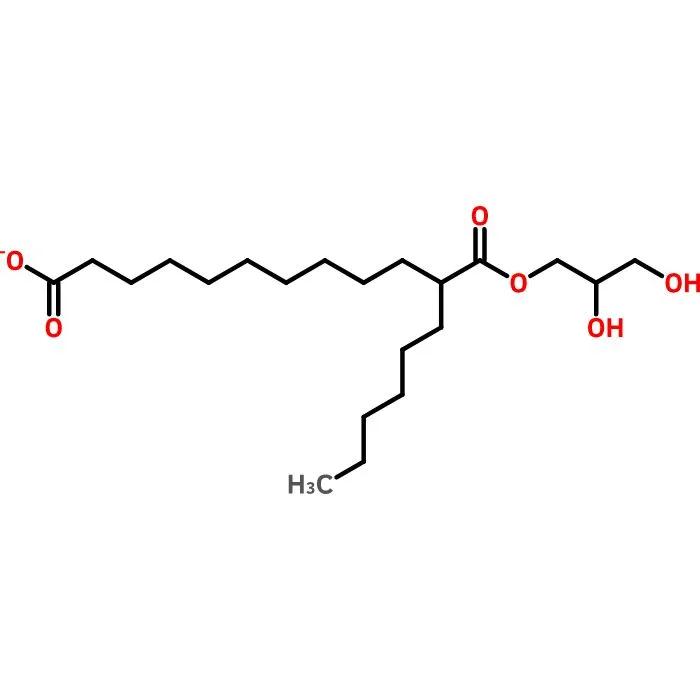
Caprylic Triglyceride Structure
| IUPAC Name | 1,2,3-Propanetriyl trioctanoate |
| CAS Number | 538-23-8 |
| HS Code | 1516.20 |
| Molecular Formula | C27H50O6 |
| Structural Formula | Glycerol triester of caprylic acid (C8) |
| Synonyms | Tricaprylin, Glyceryl tricaprylate, Trioctanoin, C8 triglyceride |
| Molecular Weight | 470.67 g/mol |
Caprylic triglyceride (tricaprylin) is the triester of glycerol and caprylic acid (octanoic acid, C8:0). It belongs to the class of medium-chain triglycerides (MCT) and is widely used in food, pharmaceutical, and cosmetic industries owing to its excellent stability, low viscosity, and rapid metabolic utilization.
Unlike long-chain triglycerides, caprylic triglyceride is rapidly hydrolyzed and absorbed in the gastrointestinal tract without requiring bile salts, making it valuable for enteral and parenteral nutrition formulations.
In personal care, it functions as an emollient, carrier oil, and texture enhancer. It is frequently used as a solvent for lipophilic active ingredients in cosmetic and pharmaceutical formulations.
| Physical Description | Clear, colorless to pale yellow oily liquid. |
| Color / Form | Colorless to very light yellow. |
| Odor | Practically odorless. |
| Taste | Bland, slightly fatty taste. |
| Boiling Point | Approx. 285–290 °C (decomposes) |
| Melting Point | Below 0 °C |
| Flash Point | ~185 °C |
| Solubility | Insoluble in water; soluble in organic solvents including ethanol and chloroform. |
| Density | Approx. 0.954 g/cm³ |
| Vapor Density | Greater than air. |
| Vapor Pressure | Very low at ambient temperature. |
| Stability / Shelf Life | Highly stable; resistant to oxidation compared to unsaturated oils. |
| Viscosity | Low viscosity (approximately 25–30 mPa·s at 20 °C). |
| Heat of Combustion | Approx. −16,000 kJ/mol (estimated for C27 triglyceride). |
| Polymerization | No hazardous polymerization. |
| Ionization Potential | No data available. |
Caprylic triglyceride is extensively used in the cosmetic and personal care industry as an emollient, carrier oil, and texture modifier. Its non-greasy, lightweight feel makes it popular in facial moisturizers, serums, sunscreens, body lotions, hair care products, and color cosmetics such as foundations and lip products. As a carrier oil, it solubilizes and enhances the delivery of lipophilic active ingredients including vitamins A, D, E, and K, retinoids, and essential oils into the skin.
In the pharmaceutical industry, caprylic triglyceride (tricaprylin) is an approved lipid excipient used in oral, parenteral, and topical drug delivery systems. It is an important component of self-emulsifying drug delivery systems (SEDDS), lipid-based oral formulations, and intravenous lipid emulsions used in clinical nutrition. Its rapid metabolism in the liver provides rapid energy without dependency on carnitine transport, making it valuable in metabolic disorders and clinical nutrition.
In the food and nutritional supplement industry, caprylic triglyceride forms a major component of MCT oil (medium-chain triglyceride oil), which is marketed for weight management, ketogenic diet support, sports nutrition, and cognitive performance. It is also used as a food additive (emulsifier, solvent, and flavor carrier) and in the production of specialty dietary fats.
Research and investigational applications include its use in the formulation of cannabidiol (CBD) products, where it serves as a carrier for CBD tinctures and nanoemulsions. It is also studied for use in antimicrobial formulations, particularly in controlled release systems for the sustained delivery of caprylic acid.
Caprylic triglyceride is produced by direct esterification of glycerol with caprylic acid (obtained from fractionated coconut oil or palm kernel oil) in the presence of an acid catalyst (e.g., p-toluenesulfonic acid) or immobilized lipase enzyme at elevated temperature, with removal of water to drive the reaction to completion.
Alternatively, transesterification of coconut or palm kernel oil with ethanol or methanol followed by separation of the C8 methyl ester, and subsequent re-esterification with glycerol under enzyme catalysis, can produce high-purity tricaprylin.
The crude product is purified by molecular distillation under high vacuum, which removes residual free fatty acids, diglycerides, and other impurities. The purified caprylic triglyceride is then tested for acid value, peroxide value, saponification value, color, and GC purity. Pharmaceutical-grade material requires compliance with the Ph.Eur. or USP monograph for Triglycerides, Medium-Chain.
Low toxicity. Not classified as hazardous under standard regulations. May cause mild skin or eye irritation on prolonged contact.
Combustible liquid with a high flash point (~185 °C). Low fire risk under normal storage conditions.
Generally non-irritating at normal exposure levels. Prolonged contact may cause mild skin irritation in sensitive individuals.
Combustible liquid with high flash point. Low hazard under normal conditions.
Wash with soap and water if desired; generally well tolerated.
Rinse with clean water if contact occurs.
Generally recognized as safe for consumption. Seek advice if large volumes are accidentally ingested.
Use foam, CO₂, or dry chemical. Water mist may be used to cool containers.
Small spill: Absorb with inert absorbent material (sand, absorbent granules). Collect in suitable containers for disposal. Clean residual with detergent and water.
Large spill: Contain the spill. Do not allow material to enter sewers or waterways. Collect in labeled waste containers. Slippery when spilled — post warning signs and prevent access.
Store in original, tightly sealed containers. Keep in a cool, dry, well-ventilated area away from heat and direct sunlight. Avoid contact with strong oxidizing agents. Product is resistant to oxidation but should be stored under nitrogen blanket for long-term quality preservation.
Recommended storage temperature: 15–25 °C. Shelf life: 24 months in sealed containers under recommended storage conditions. Store in stainless steel, HDPE, or aluminum containers. Avoid PVC and copper-containing alloys. Protect from moisture, light, and heat. Nitrogen blanket recommended for bulk storage.
For more detailed information including pricing, customization, and shipping:
Discover more about this product and understand how it may fit into your operations, formulations, or production requirements.
Browse Product

 English
 Indonesian
 简体字
简体字
 العربية
 Español
 Français
 Português
 日本語
日本語
 한국어
한국어
 Tiếng Việt



















