Explore our network of country and industry based websites to access localized information, product offerings, and business services across our group.

Access reliable chemical market information through our update channels.
Real-time Updates
Daily Updates
Log in to start sending quotation requests for any product.
Don't have an account? Sign Up Here
Home Learning Center Lauryl Myristyl Alcohol
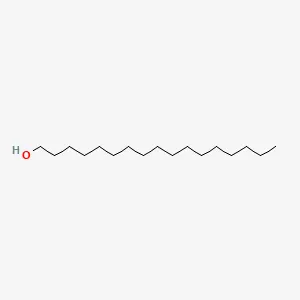
Lauryl Myristyl Alcohol Structure
| IUPAC Name | Dodecan-1-ol / Tetradecan-1-ol mixture |
| CAS Number | 67762-41-8 |
| HS Code | 2905.17 |
| Molecular Formula | C12H26O / C14H30O |
| Structural Formula | CH3(CH2)10CH2OH / CH3(CH2)12CH2OH |
| Synonyms | C12-C14 fatty alcohol, Lauromyristyl alcohol, C12/C14 alcohol blend |
| Molecular Weight | 186.33 / 214.39 g/mol |
Lauryl myristyl alcohol is a blend of two saturated fatty alcohols: lauryl alcohol (C12, dodecanol) and myristyl alcohol (C14, tetradecanol). This mixed fatty alcohol offers a combination of properties suited to various industrial and personal care applications.
The C12/C14 blend is valued in the production of anionic surfactants, particularly SLES and SLS variants with mixed chain lengths. In personal care formulations, it contributes emollient, thickening, and stabilizing properties.
This blend is also used in the manufacture of ethoxylated fatty alcohols, which serve as non-ionic surfactants and emulsifiers in cosmetics, household cleaners, and industrial applications.
| Physical Description | White waxy solid to off-white flakes at room temperature. |
| Color / Form | White to off-white. |
| Odor | Faint, characteristic fatty odor. |
| Taste | Bland. |
| Boiling Point | 260–295 °C |
| Melting Point | 24–38 °C (varies with C12:C14 ratio) |
| Flash Point | ~140 °C |
| Solubility | Insoluble in water; soluble in oils and organic solvents. |
| Density | Approx. 0.83 g/cm³ |
| Vapor Density | Greater than air. |
| Vapor Pressure | Low at ambient temperature. |
| Stability / Shelf Life | Stable under normal storage conditions. |
| Viscosity | Low viscosity when liquid (above melting point). |
| Heat of Combustion | Approx. −7,450 to −8,670 kJ/mol (weighted average). |
| Polymerization | No hazardous polymerization. |
| Ionization Potential | No data available. |
Lauryl myristyl alcohol (C12–C14 fatty alcohol blend) is a versatile oleochemical intermediate with major uses in surfactant production and personal care formulations. In the surfactant industry, C12–C14 fatty alcohols are the preferred feedstocks for the production of sodium lauryl ether sulfate (SLES) with 2–3 EO units, a key cleansing surfactant in personal care and household cleaning products. The mixed C12/C14 chain length distribution typically gives better foaming performance and stability than pure C12 or C14 alone.
Ethoxylation of lauryl myristyl alcohol produces C12–C14 AEO (alcohol ethoxylates), which are important non-ionic surfactants used in laundry detergents, dish care products, agricultural emulsifiers, and industrial cleaners. The degree of ethoxylation (2–7 EO) determines the HLB value and performance profile of the resulting ethoxylate.
In personal care formulations, the C12/C14 fatty alcohol blend contributes emollient and thickening properties to creams and conditioners. When combined with emulsifying waxes, it forms stable o/w and w/o emulsions with rich textures.
Industrial uses include application as a metalworking lubricant additive, textile processing agent, paper softener, and antistatic agent in plastic processing.
Lauryl myristyl alcohol is produced by catalytic hydrogenation of the C12–C14 fatty acid fraction (or methyl ester fraction) derived from coconut oil or palm kernel oil. The hydrogenation is carried out using copper chromite or copper-zinc catalyst under high-pressure hydrogen (200–300 bar) at elevated temperature.
The C12/C14 ratio in the product is determined by the fatty acid composition of the raw material oil and by fractionation. Palm kernel oil typically yields a higher C12/C14 ratio (approximately 70:30 C12:C14) consistent with its natural fatty acid profile.
The product is purified by distillation and characterized by hydroxyl value, iodine value, acid value, GC composition, color, and moisture.
Low toxicity. May cause mild skin and eye irritation on direct contact.
Combustible solid or liquid depending on temperature.
Mild irritant to skin and eyes.
Combustible solid/liquid.
Wash with soap and water.
Rinse with water for 15 minutes.
Seek medical advice.
Use CO₂, foam, or dry chemical.
Small spill: Absorb liquid or sweep solid. Collect in labeled containers. Prevent entry into drains. Warn of slip hazard if liquid.
Large spill: Contain spill. Pump liquid into recovery containers or allow solid to cool. Do not allow entry into waterways. Dispose according to regulations.
Store in original, tightly sealed containers in a cool, dry, ventilated area. Keep away from heat, flames, and oxidizing agents. Grounding and bonding required during transfer. For melt storage, maintain at 40–50 °C in heated stainless steel or HDPE tanks.
Recommended storage temperature: 25–35 °C (liquid); 15–25 °C (solid). Shelf life: 24 months in original sealed containers. Suitable containers: stainless steel 304/316, HDPE drums, mild steel tanks (lined). Nitrogen blanket recommended for bulk melt storage. Protect from moisture and light.
For more detailed information including pricing, customization, and shipping:
Discover more about this product and understand how it may fit into your operations, formulations, or production requirements.
Browse Product

 English
 Indonesian
 简体字
简体字
 العربية
 Español
 Français
 Português
 日本語
日本語
 한국어
한국어
 Tiếng Việt



















