How can we assist you?

Explore our network of country and industry based websites to access localized information, product offerings, and business services across our group.

Access reliable chemical market information through our update channels.
Real-time Updates
Daily Updates
Log in to start sending quotation requests for any product.
Don't have an account? Sign Up Here
Home Shifting Dynamics in the Global Lauric Oils Market
Market Insight | 07 September 2025

The global coconut oil price climbed sharply to around USD 2,990 per ton in Q3 2025, driven by stagnant production levels of about 3.67 million tons. This limited supply is forcing industries to explore alternatives, with palm kernel oil and its derivative Lauric Acid becoming the preferred substitutes. The widening price gap—approximately USD 1,000 per ton—has made palm-based oleochemicals a far more economical choice for manufacturers across food, cosmetics, and biofuel sectors.
For decades, coconut oil output has remained flat, and recent climate disruptions in the Philippines and Indonesia, including typhoons and droughts, have further pressured supply. As a result, coconut oil prices surged nearly 33% from early to mid-2025, creating significant strain on downstream industries that depend heavily on consistent and affordable feedstock. At this point, many players began searching for not just a substitute, but also a partner who could ensure stable sourcing in a volatile market.
This is where companies like Tradeasia International, a global supplier of palm-based chemicals, have strengthened their role. As one industry insider noted, “Palm derivatives today are not just an alternative, but a strategic enabler for long-term resilience.” By leveraging established supply chains, Tradeasia provides stability in a sector where volatility has become the norm.
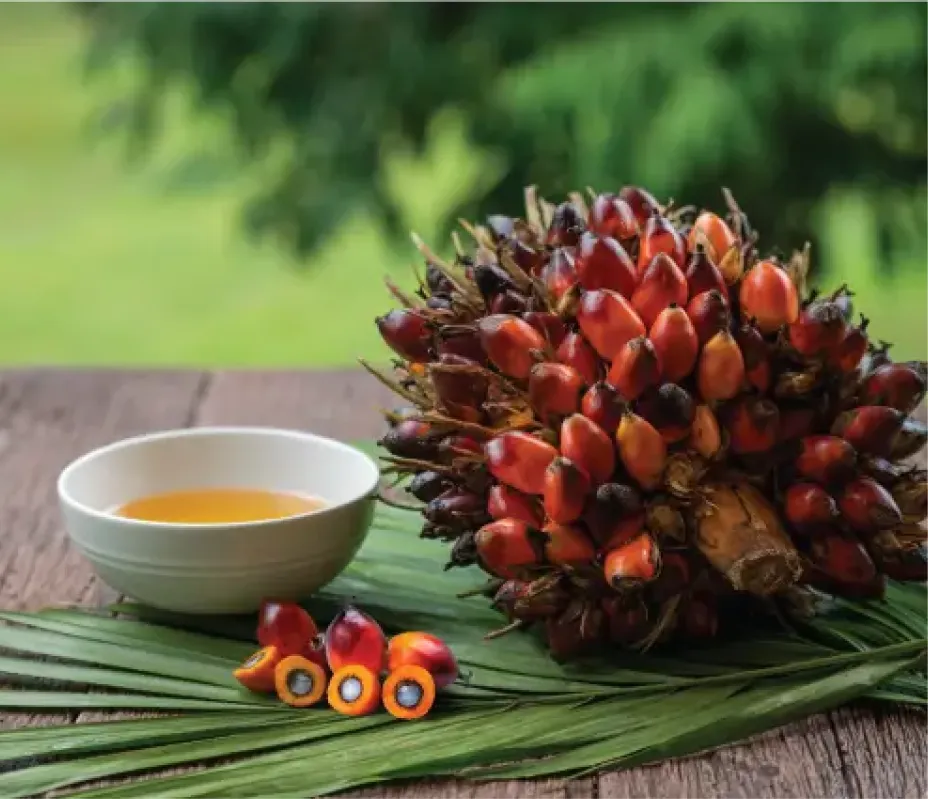
Unlike coconut oil, palm kernel oil has shown more favorable pricing. By August 2025, its price stood at around USD 2,264 per ton, maintaining a discount of about USD 1,000 compared to coconut oil. This affordability is accelerating the adoption of Lauric Acid, a vital ingredient in detergents, cosmetics, and food applications. Valued at USD 240.8 million in 2025, the Lauric Acid market is projected to expand dramatically to USD 846.7 million by 2035, representing a CAGR of over 13%. This growth is also reinforced by global sustainability trends, with industries pivoting toward renewable, plant-based chemical solutions.
To navigate these shifting dynamics, businesses are adopting calculated trading strategies. Stockpiling raw materials ahead of further price hikes, securing long-term supply contracts, and hedging through futures and options have become key tactics. According to Oleochemicals Asia, these strategies allow traders and manufacturers not only to lock in favorable pricing but also to protect working capital from commodity market volatility.
Ultimately, the steady rise of coconut oil prices and stagnant production have created a new equilibrium in the oleochemical industry. Palm kernel oil and Lauric Acid are no longer mere substitutes; they are strategic growth enablers, reshaping trade flows and market opportunities in ways that align cost efficiency with sustainability.
Sources:
Global coconut oil price and production trends - https://vespertool.com/blog/why-coconut-oil-prices-increased-33-2025/
Palm kernel oil prices and market data - https://ycharts.com/indicators/malaysia_palm_kernel_oil_price
Lauric Acid market growth and demand - https://www.futuremarketinsights.com/reports/lauric-acid-market
We're committed to your privacy. Tradeasia uses the information you provide to us to contact you about our relevant content, products, and services. For more information, check out our privacy policy.
How can we assist you?

 English
 Indonesian
 简体字
简体字
 العربية
 Español
 Français
 Português
 日本語
日本語
 한국어
한국어
 Tiếng Việt