How can we assist you?

Explore our network of country and industry based websites to access localized information, product offerings, and business services across our group.

Access reliable chemical market information through our update channels.
Real-time Updates
Daily Updates
Log in to start sending quotation requests for any product.
Don't have an account? Sign Up Here
Home Navigating Volatility: A 20-Year Palm Kernel Diethanolamide Strategy
Market Insight | 10 November 2025

For procurement managers and strategists in the chemical industry, the Palm Kernel Diethanolamide market outlook to 2040 is less about simple growth and more about managing profound risk. While long-term demand from end-users remains stable, the path forward is defined by two critical pressures: unpredictable feedstock volatility and stringent sustainability mandates.
Successfully navigating this challenging landscape requires more than just a transactional supplier; it demands a partner with deep market intelligence who can buffer against uncertainty. As global supply chains for palm derivatives become more complex, aligning with a partner who understands the nuances of feedstock pricing and logistics becomes the key to maintaining profitability.
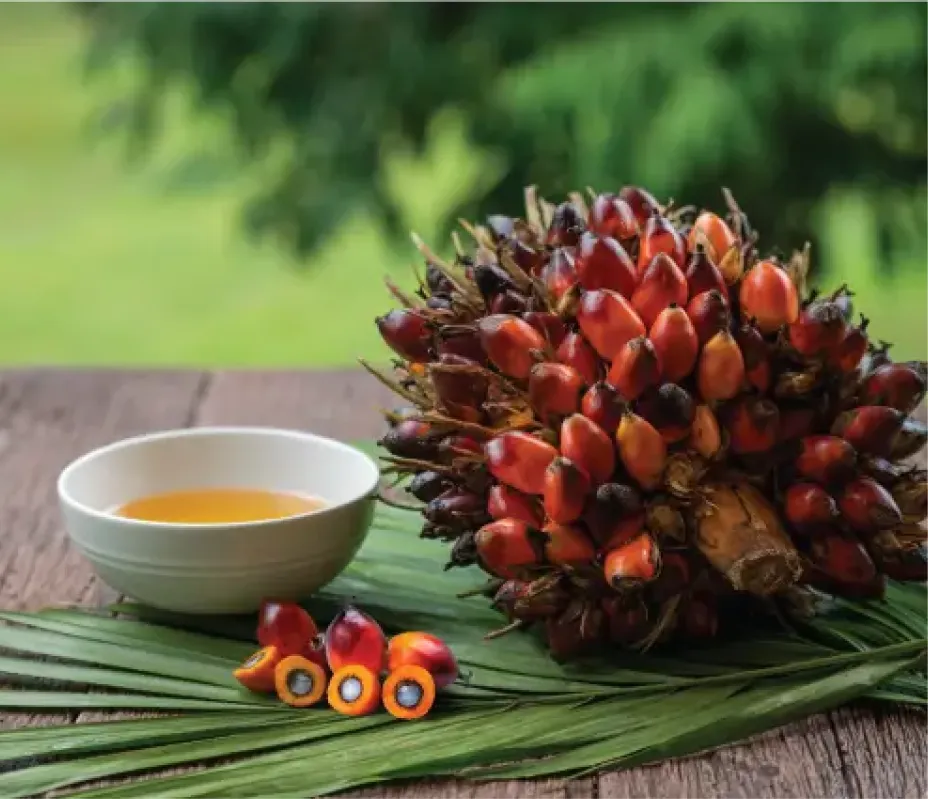
The primary challenge is the market's direct link to its core raw material, Palm Kernel Oil (PKO). As tracked by chemical commodity indexes, PKO prices have experienced extreme fluctuations, including spikes of 40-60% during 2022 alone. This volatility directly impacts Palm Kernel Diethanolamide contract pricing, capable of squeezing producer margins by 15-20% during peaks and creating profound budget instability for buyers. The top 5 global producers, who already control over 60% of the market, often use vertical integration to mitigate this, highlighting the critical need for buyers to secure diversified and financially stable supply lines.
Parallel to price, sustainability has evolved from a simple preference to a non-negotiable prerequisite. As of 2024, RSPO (Roundtable on Sustainable Palm Oil) certification is a near-mandatory requirement for entry into the European market, with >90% of buyers demanding RSPO Mass Balance (MB) or Segregated (SG) products. Globally, adoption of certified sustainable Palm Kernel Diethanolamide hovers around 45%, creating a distinct two-tier market. By 2035, this gap will close. RSPO-MB certification will likely cease to be a "premium" and will become the global baseline standard, effectively eliminating non-certified materials from major supply chains.
Sources:
We're committed to your privacy. Tradeasia uses the information you provide to us to contact you about our relevant content, products, and services. For more information, check out our privacy policy.
How can we assist you?

 English
 Indonesian
 简体字
简体字
 العربية
 Español
 Français
 Português
 日本語
日本語
 한국어
한국어
 Tiếng Việt