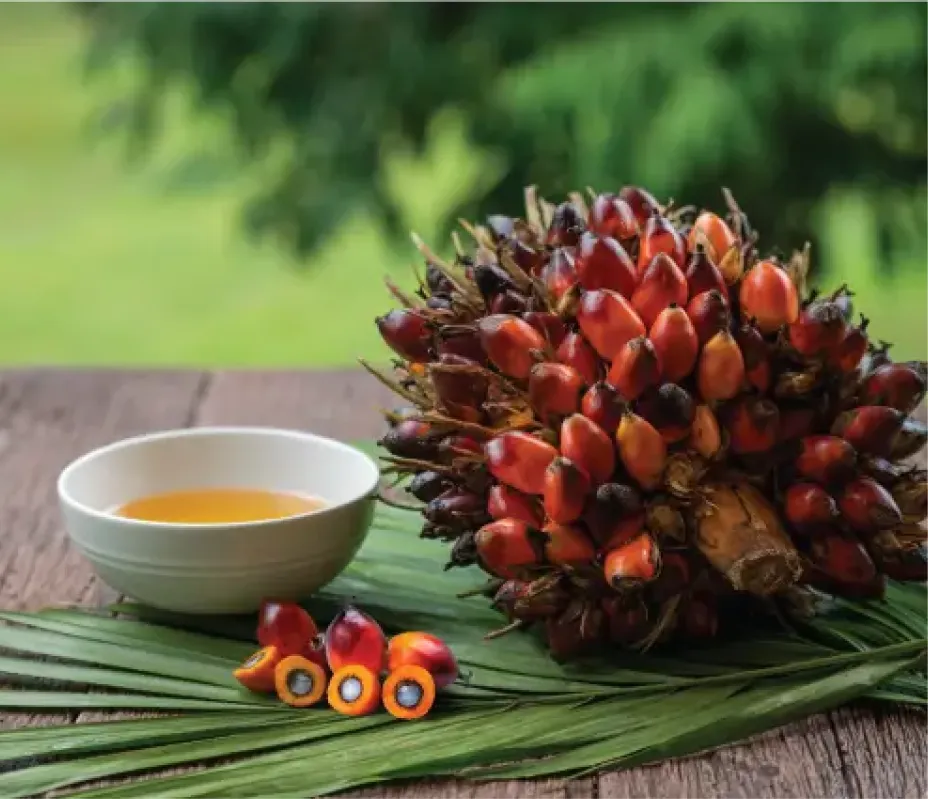
How can we assist you?

Explore our network of country and industry based websites to access localized information, product offerings, and business services across our group.
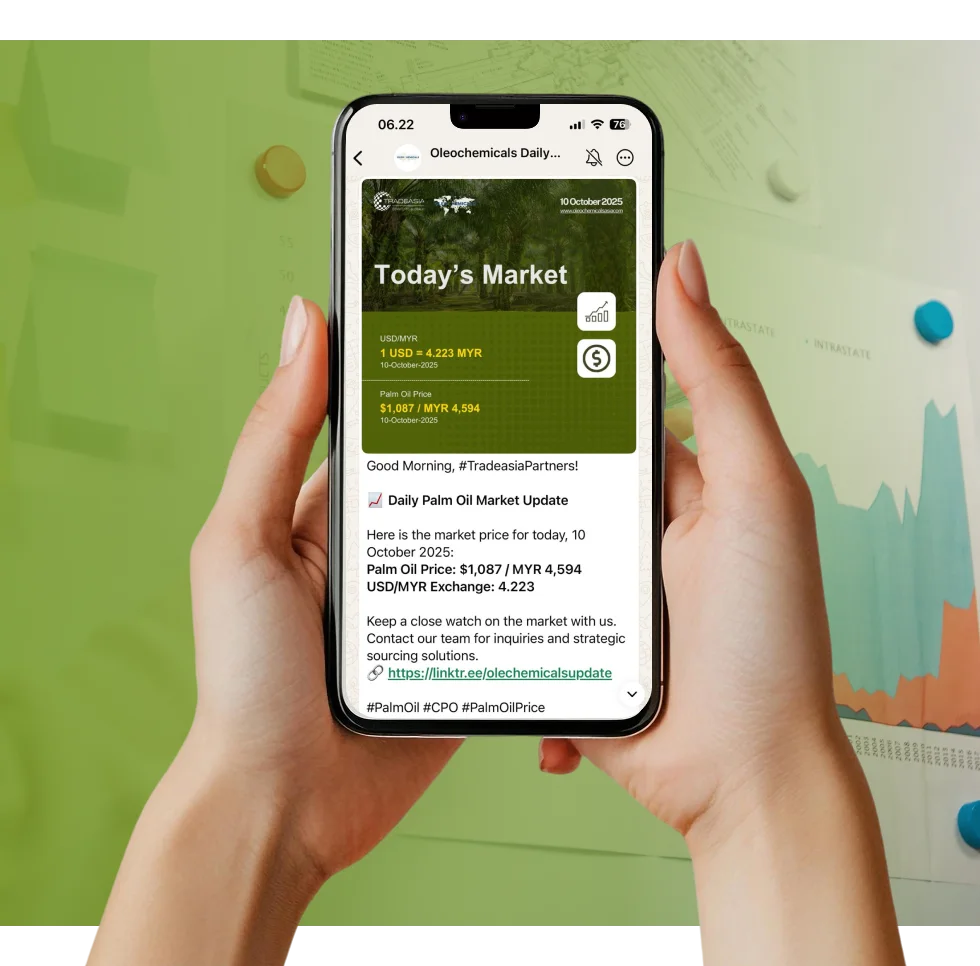
Access reliable chemical market information through our update channels.
Real-time Updates
Daily Updates
Log in to start sending quotation requests for any product.
Don't have an account? Sign Up Here
Home Sustainable Palmitic Acid: Analyzing the Q3 2025 Market Surge and Why Certified Products Offer a Stronger ROI
Market Insight | 22 September 2025
In the fast-paced oleochemicals market, the third quarter of 2025 is sending a clear message: sustainability has officially moved from a corporate expense to a key driver of profitability. As demand for Palmitic Acid intensifies, a significant value gap is emerging between conventional and certified products, creating a powerful business case that leaders can no longer ignore.
For businesses aiming to capitalize on this financial shift, securing a consistent and verifiable supply of certified materials is the first and most critical step. This is the new frontier where expert partners like Tradeasia International excel, transforming complex palm and oleochemical supply chain challenges into tangible financial opportunities for their clients.
The most compelling evidence lies in the numbers themselves. This September, market data shows conventional Palmitic Acid (C16) trading at approximately $1,225 per tonne. In stark contrast, its certified sustainable counterparts are consistently commanding prices of up to $1,350 per tonne. This is not a minor fluctuation; it is a substantial 10.2% price premium directly attributable to verifiable sustainability credentials. This financial incentive is fueled by a seismic shift in demand, where an estimated 60% of all new bulk orders from discerning EU and North American markets now explicitly mandate sustainability certifications as a non-negotiable condition of purchase.
While the immediate premium is attractive, the long-term value is even more significant. True market leadership requires navigating the complexities of a divided supply landscape. A recent Bloomberg analysis reveals that companies with transparent, certified supply chains experience 30% fewer interruptions from regulatory checks, building operational resilience that directly protects the bottom line. With only 19.3% of the world's palm oil supply being certified, accessing this limited pool is now a key strategic advantage. Navigating this reality is about more than just procurement; it's about building partnerships grounded in a philosophy of total transparency, ensuring access to the high-value markets of tomorrow.
Sources:
We're committed to your privacy. Tradeasia uses the information you provide to us to contact you about our relevant content, products, and services. For more information, check out our privacy policy.
How can we assist you?

 English
 Indonesian
 简体字
简体字
 العربية
 Español
 Français
 Português
 日本語
日本語
 한국어
한국어
 Tiếng Việt