Explore our network of country and industry based websites to access localized information, product offerings, and business services across our group.
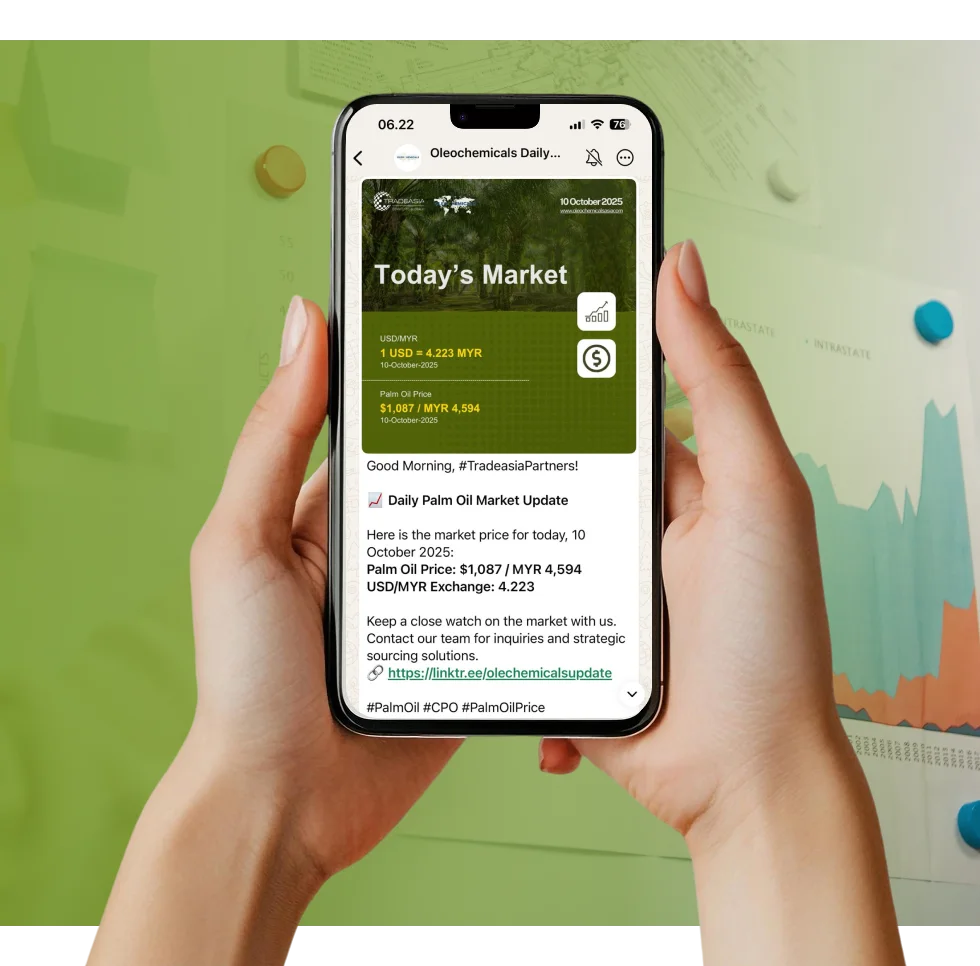
Access reliable chemical market information through our update channels.
Real-time Updates
Daily Updates
Log in to start sending quotation requests for any product.
Don't have an account? Sign Up Here
Home Who is Buying SLES in 2026 and Why?
Trade Insights | Applications and Buyers | 21 January 2026

The biggest SLES buyer groups in 2026
Smaller but meaningful SLES demand segments
How SLES buying volumes behave in 2026
What SLES buyers prioritize when choosing a supplier
Conclusion
SLES (Sodium Lauryl Ether Sulfate, also known as sodium laureth sulfate) remains one of the most widely used anionic surfactants in 2026 because it delivers strong foaming, cleaning performance, and formulation flexibility at a competitive cost. Across global trade, SLES 70% paste continues to be a common format due to shipping efficiency and easy dilution at the plant, while lower-active liquid grades are often used for direct batching in smaller operations.
1) Home care and detergent manufacturers (largest volume buyers)
This segment includes laundry detergent producers, dishwashing liquid brands, multipurpose and floor cleaner manufacturers, and private-label FMCG producers. These buyers typically consume the highest tonnage because home care products run on continuous, high-throughput production lines.
SLES stays central in liquid and gel cleaners because it supports fast wetting, stable foaming, soil removal, and compatibility with common co-surfactants. Many formulations pair SLES with other anionics such as LABSA to balance cost and cleaning power.
Typical demand pattern
High-volume purchasing with strong price sensitivity
Contract-based supply is common, with monthly or quarterly planning
Strong preference for consistent active matter, stable color and odor, and predictable viscosity behavior in blends
2) Personal care and cosmetics producers (higher value, tighter specs)
Personal care buyers include shampoo and body wash manufacturers, facial cleanser brands, liquid hand soap producers, and toothpaste formulators, often through blended surfactant systems. Volumes can be substantial, but purchasing behavior differs from detergents because brand performance expectations are stricter and quality risks are more visible.
SLES remains popular in mainstream rinse-off products because it supports foam aesthetics and cleansing performance, while blending well with amphoterics and conditioning systems that improve feel during use.
Typical demand pattern
Medium-to-large volumes, usually below detergent giants
Higher scrutiny on odor, color, microbiological handling, and batch-to-batch consistency
More frequent requests for documentation such as COA, traceability, and allergen statements
3) Industrial and institutional cleaning (steady, specification-led)
Industrial and institutional (I&I) buyers include formulators supplying hospitals, kitchens, building services, factories, and transport cleaning, plus car wash blenders and industrial degreaser producers. Volumes tend to be moderate, but demand remains steady because commercial cleaning has stable baseline consumption.
SLES is used when foam and detergency support the cleaning process, and when compatibility with builders, solvents, or alkaline systems matters.
Typical demand pattern
Moderate volumes, often purchased through distributors
High priority on supply continuity, packaging flexibility (drums, IBC, bulk), and stable performance in hard water
Less brand-driven than personal care, but still compliance-aware due to SDS requirements and worker safety expectations
Textile and leather processing
Textile mills use surfactants during scouring, wetting, and process cleaning steps. Tanneries may use surfactant systems for degreasing and preparation stages. Volumes are smaller than FMCG, yet demand tends to be consistent in major manufacturing hubs where production runs year-round.
Specialty industrial uses
SLES also shows up in niche industrial formulations where foaming, wetting, or emulsification is useful. These orders tend to be project-based, so they rarely define overall market tonnage, but they can matter for suppliers serving specialized customers.
SLES demand generally falls into three procurement “shapes”:
Base-load volume: Detergent and home care accounts anchor the market with steady contract demand.
Value-led volume: Personal care buyers may pay more for tighter specs, documentation, and consistent sensory profile.
Distribution-driven volume: I&I and mid-sized manufacturers rely on distributors for smaller lots, mixed packaging, and shorter lead times.
This split matters for suppliers because it affects inventory planning, packaging strategy, and commercial terms, not just total sales volume.
Across segments, four filters show up repeatedly in 2026:
Landed cost stability
Procurement teams track more than spot price. Freight, feedstock movements, and supplier surcharges all shape true landed cost.
Quality consistency
Active matter, controlled color and odor, predictable blending behavior, and stable long-run specs reduce formulation risk.
Compliance readiness
Personal care in particular demands stronger documentation and impurity management practices. Buyers want suppliers who can support audits and provide credible test and process-control information.
Supply reliability and logistics support
Lead times, packaging flexibility, and clean export documentation often become deciding factors when the market tightens.
Growth continues to come mainly from emerging-market detergents and mainstream personal care, supported by urbanization and hygiene spending. Mature markets move slower, but they raise expectations around documentation, sustainability requirements, and impurity controls. That shift can redirect sourcing toward suppliers with stronger compliance discipline and stable quality systems.
Chemtradeasia can support SLES sourcing across common grades and packaging options, along with export documentation aligned to B2B manufacturing needs. Share your target application, preferred active matter (for example SLES 70% paste), and destination market, and the team can help align a supply plan that fits your spec and lead-time requirements.
We're committed to your privacy. Tradeasia uses the information you provide to us to contact you about our relevant content, products, and services. For more information, check out our privacy policy.


 English
 Indonesian
 简体字
简体字
 العربية
 Español
 Français
 Português
 日本語
日本語
 한국어
한국어
 Tiếng Việt



















